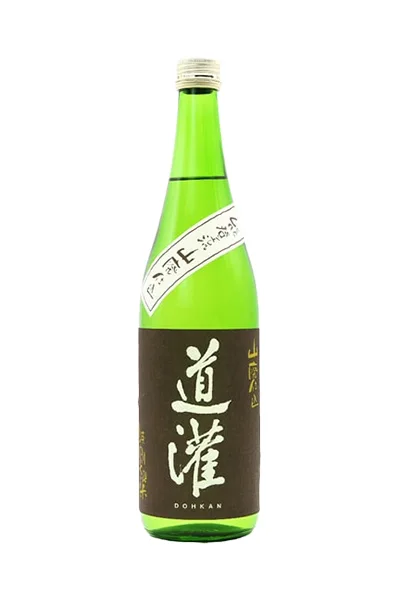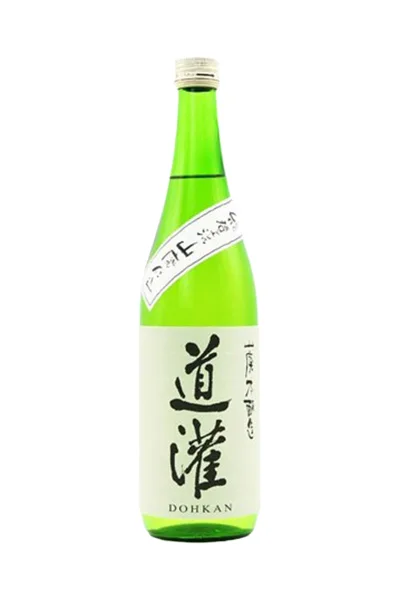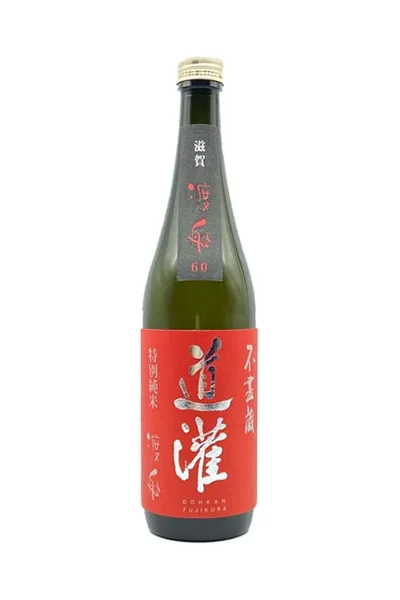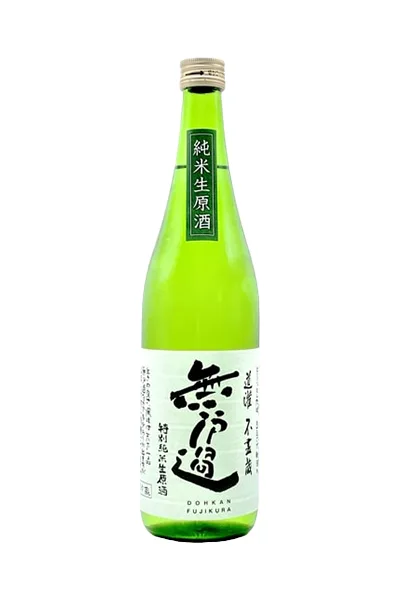
Dokan Tokubetsu Junmai Nama Genshu Muroka
道灌 特別純米酒 生原酒 無濾過Tokubetsu junmai, rice polished to 60%, unfiltered, unpasteurized and undiluted (muroka nama genshu)
Fresh and fruity, with a lively character
Specifications
- Type
- Tokubetsu Junmai
- Rice
- Not disclosed
- Rice polishing ratio
- 60%40% of each grain polished away
- Yeast
- Not disclosed
- Sake meter value
- +5dry
- Acidity
- 2.1
How to read these
- Type
- The grade printed on the label. It depends on the ingredients (rice only, or with a little distilled alcohol) and on how far the rice is polished. More
- Rice
- The rice variety. Most premium sake uses varieties grown for brewing, such as Yamada Nishiki. More
- Rice polishing ratio
- How much of each grain is left after polishing. A lower number means more was milled away, which usually gives a lighter, more aromatic sake. More
- Yeast
- The yeast strain, which shapes the aroma. More
- Sake meter value
- A sweet-to-dry scale. Plus is drier, minus is sweeter. Acidity changes how it tastes, so treat it as a rough guide. More
- Acidity
- Total acid. Higher tends to taste fuller and drier; lower tastes lighter and sweeter. More
Flavor profile Aromatic & light
Aromatic & light — fruity, floral aroma with a light body. Known in Japan as kun-shu (薫酒).
The described fragrant ginjo-like aroma and fresh fruitiness, together with SMV +5 and acidity 2.1, point to high aroma and a dry-leaning profile. Genshu body adds some weight, but the crisp, light finish places it in the kun (aromatic, light) type.
Estimated by AI from the published specifications and the brewery's description; your impression may differ.
About
This Tokubetsu Junmai nama genshu (unpasteurized, undiluted sake) is bottled straight from pressing without filtration. Despite being a junmai sake, it has a vivid, fragrant ginjo aroma and a crisp, fresh, fruity flavor.
Other sake from this brand 22
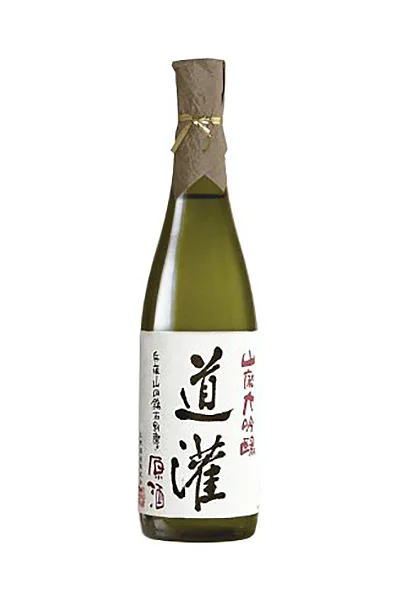
- Dokan Yamahai Daiginjo道灌 山廃 大吟醸
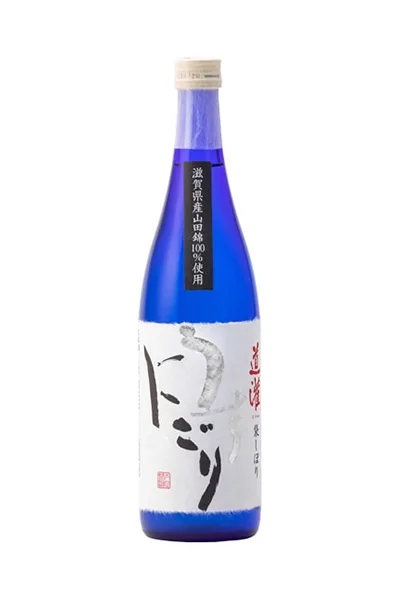
- Dokan Junmai Daiginjo Nama Genshu Usunigori道灌 純米大吟醸 生原酒 うすにごり
- Dokan Junmai Yamada Nishiki Shichiwari Migaki道灌 純米 山田錦 七割磨き
- Dokan Honjozo道灌 本醸造
- Dokan Junmai Ginjo道灌 純米吟醸
- Dokan Yamahai Tokubetsu Junmai道灌 山廃 特別純米
- Dokan Junmai Genshu Yamada Nishiki Hiyaoroshi道灌 純米原酒 山田錦 ひやおろし
- Dokan Yamahai Honjozo道灌 山廃 本醸造
- Dokan Junmai Daiginjo Muroka道灌 純米大吟醸 無濾過
- Dokan Tokubetsu Junmai Nama Genshu Watashibune道灌 特別純米 生原酒 渡船
- Dokan Daiginjo Kiribako-iri道灌 大吟醸 桐箱入
- Dokan Daiginjo Gisho道灌 大吟醸 技匠