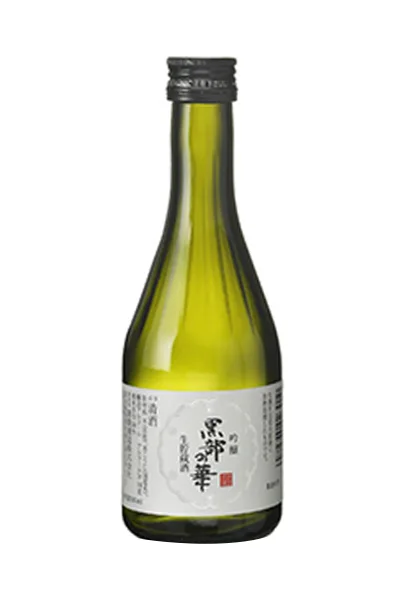
Ginban Ginjo Kurobe no Hana
銀盤 吟醸 黒部の華Ginjo, rice polished to 50%
Ginban — Ginban Shuzo, Toyama
Where the majestic nature beneath Mount Tsurugi meets the brewing craft of Gimban. Please savor the sake.
Specifications
- Type
- Ginjo
- Rice
- Not disclosed
- Rice polishing ratio
- 50%50% of each grain polished away
- Yeast
- Kyokai No. 1801
- Alcohol
- 14%
- Sake meter value
- +1medium
- Acidity
- 1.5
How to read these
- Type
- The grade printed on the label. It depends on the ingredients (rice only, or with a little distilled alcohol) and on how far the rice is polished. More
- Rice
- The rice variety. Most premium sake uses varieties grown for brewing, such as Yamada Nishiki. More
- Rice polishing ratio
- How much of each grain is left after polishing. A lower number means more was milled away, which usually gives a lighter, more aromatic sake. More
- Yeast
- The yeast strain, which shapes the aroma. More
- Alcohol
- Alcohol by volume. Most sake is 15–16%; undiluted (genshu) sake is often 17–18%. More
- Sake meter value
- A sweet-to-dry scale. Plus is drier, minus is sweeter. Acidity changes how it tastes, so treat it as a rough guide. More
- Acidity
- Total acid. Higher tends to taste fuller and drier; lower tastes lighter and sweeter. More
Flavor profile Aromatic & light
Aromatic & light — fruity, floral aroma with a light body. Known in Japan as kun-shu (薫酒).
As a 50% polished ginjo with an SMV of +1 and acidity of 1.5, this sake points to a fragrant aroma, a moderately soft sweetness and a light body. The description of a smooth mouthfeel and fresh-pressed, raw-stored character supports a kun-type aromatic and light style.
Estimated by AI from the published specifications and the brewery's description; your impression may differ.
About
Brewed with Tomi no Kaori rice grown in Tomiyama and with water from the Kurobegawa alluvial fan spring water, which is one of the 100 Famous Waters (Meisui Hyakusen). The character of Tomi no Kaori comes through in a smooth mouthfeel, allowing the freshly pressed (shiboritate) flavor to be enjoyed. Honnamazake (fresh unpasteurized sake) that is pasteurized at bottling becomes namachozo (sake stored unpasteurized and pasteurized once at bottling).
Other sake from this brand 21
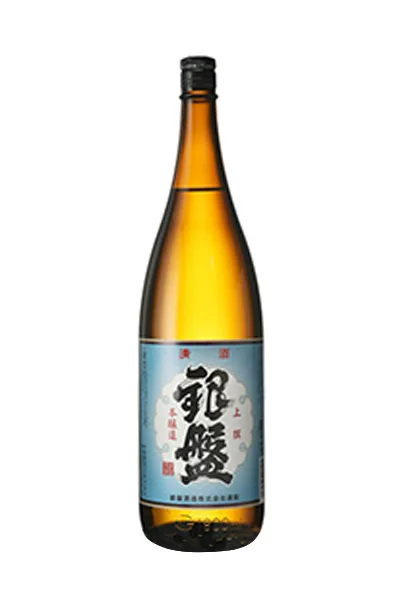
- Ginban Josen Honjozo銀盤 上撰 本醸造
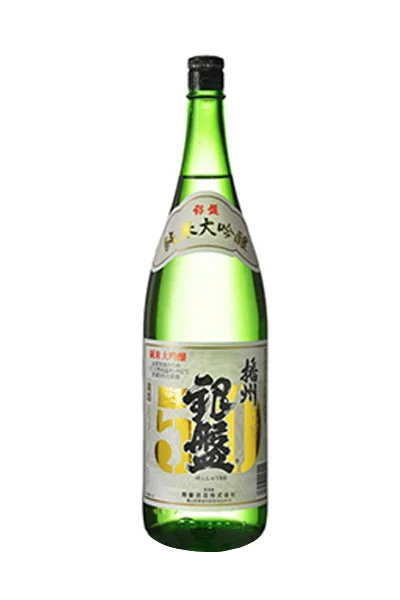
- Ginban Junmai Daiginjo Banshu 50銀盤 純米大吟醸 播州50
- Ginban Daiginjo Hyoshun銀盤 大吟醸 氷筍
- Ginban Tokubetsu Honjozo Yamada Nishiki / Omachi銀盤 特別本醸造 山田錦・雄町
- Ginban Ginjo Banshu 50銀盤 吟醸 播州50
- Ginban Junmai sake Tomiyama Bay Kaiyo Shinsosui Shikomi銀盤 純米酒 富山湾の海洋深層水仕込み
- Ginban Junmai Ginjo Banshu 50銀盤 純米吟醸 播州50
- Ginban Junmai Ginjo Kuro Botoru銀盤 純米吟醸 黒ボトル
- Ginban Junmai sake銀盤 純米酒
- Ginban Ginjo銀盤 吟醸
- Ginban Junmai Ginjo Wine Bottle銀盤 純米吟醸 ワインボトル
- Ginban Chotokusen Daiginjo銀盤 超特撰 大吟醸