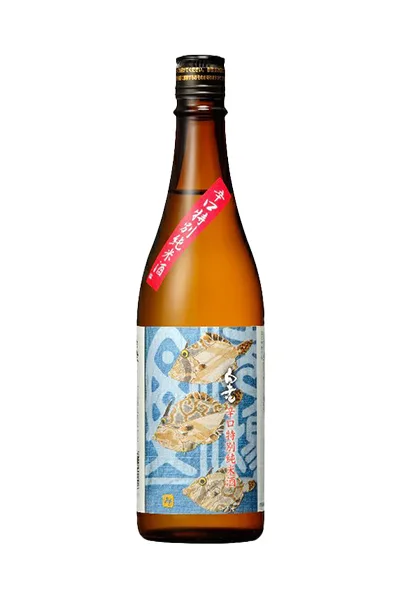
Hakuro Dry Tokubetsu Junmai
白老 辛口 特別純米酒Tokubetsu junmai, rice polished to 60%, dry
Hakuro — Sawada Shuzo, Aichi
Sake meter value +12. A dry sake with a clean finish.
Specifications
- Type
- Tokubetsu Junmai
- Rice
- Not disclosed
- Rice polishing ratio
- 60%40% of each grain polished away
- Yeast
- Kyokai No. 7
- Alcohol
- 15%
- Sake meter value
- +12very dry
- Acidity
- 2.5
How to read these
- Type
- The grade printed on the label. It depends on the ingredients (rice only, or with a little distilled alcohol) and on how far the rice is polished. More
- Rice
- The rice variety. Most premium sake uses varieties grown for brewing, such as Yamada Nishiki. More
- Rice polishing ratio
- How much of each grain is left after polishing. A lower number means more was milled away, which usually gives a lighter, more aromatic sake. More
- Yeast
- The yeast strain, which shapes the aroma. More
- Alcohol
- Alcohol by volume. Most sake is 15–16%; undiluted (genshu) sake is often 17–18%. More
- Sake meter value
- A sweet-to-dry scale. Plus is drier, minus is sweeter. Acidity changes how it tastes, so treat it as a rough guide. More
- Acidity
- Total acid. Higher tends to taste fuller and drier; lower tastes lighter and sweeter. More
Flavor profile Clean & dry
Clean & dry — restrained aroma, crisp and refreshing. Known in Japan as so-shu (爽酒).
SMV +12 and acidity 2.5 with a 60% polishing ratio point to a dry, crisp junmai with restrained aroma, consistent with the description's 'キレの良い辛口' and its suitability for fried and grilled foods. The profile sits in the so (crisp, restrained) quadrant with light body and low sweetness.
Estimated by AI from the published specifications and the brewery's description; your impression may differ.
About
The rice used is Gohyakumangoku from Fukui Prefecture. It pairs well with fried foods such as tempura of white-fleshed fish and seasonal vegetables, as well as meat dishes such as barbecue. In the hot summer months, enjoy it well chilled. As the weather cools, try it at room temperature or warmed (kan). The label features a playful design of fish from Chita, made with old-cloth appliqué. It was designed by a customer who is a fan of Hakuro. The standard label shows a kawahagi (filefish). From late April to early August, a summer-limited label featuring a haze (goby) is used instead.
Other sake from this brand 14
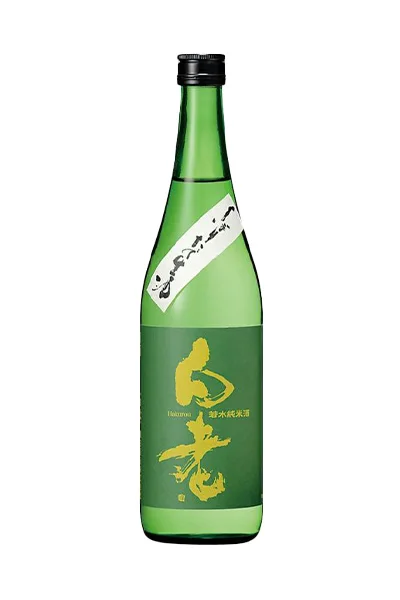
- Hakuro Wakamizu Shiboritate白老 若水 しぼりたて
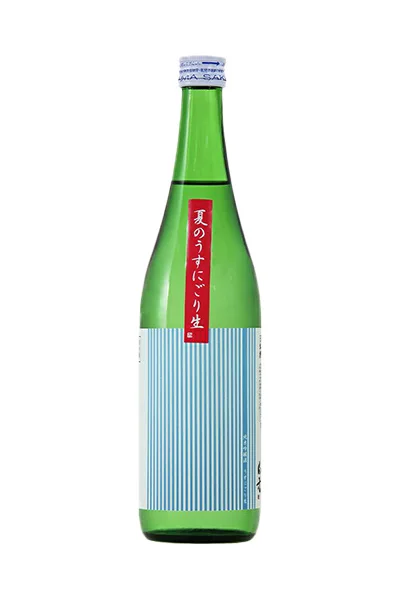
- Hakuro Natsu no Usunigori Nama白老 夏のうすにごり 生
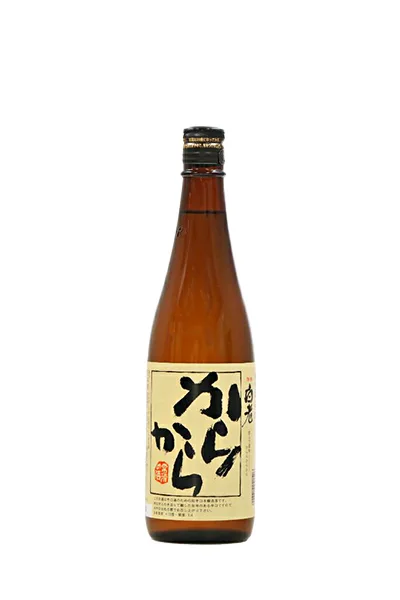
- Hakuro Karakara白老 からから
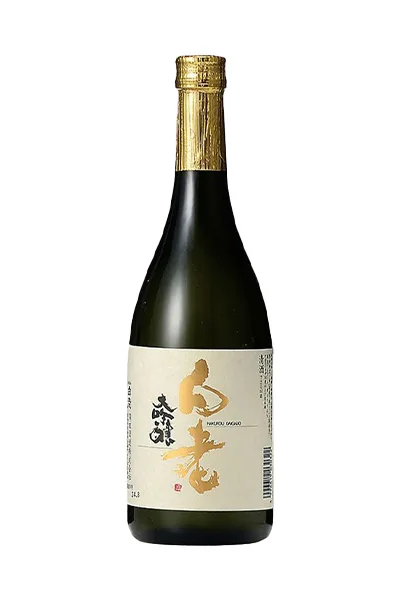
- Hakuro Daiginjo白老 大吟醸
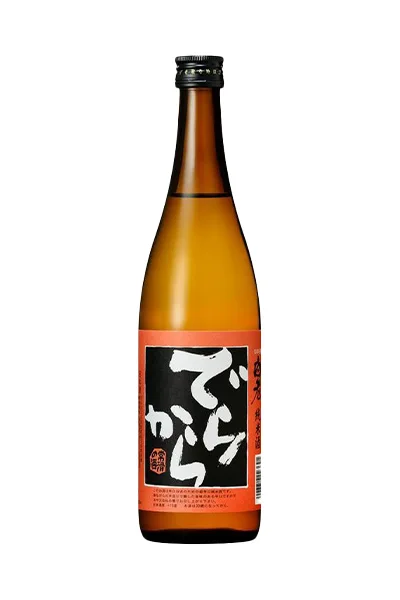
- Hakuro Deraraka白老 でらから
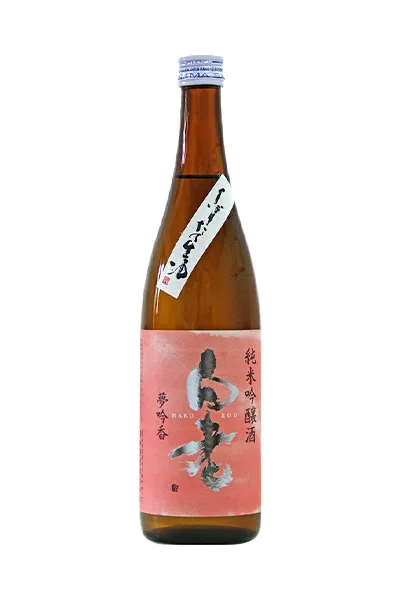
- Hakuro Junmai Ginjo Yumeginga白老 純米吟醸酒 夢吟香
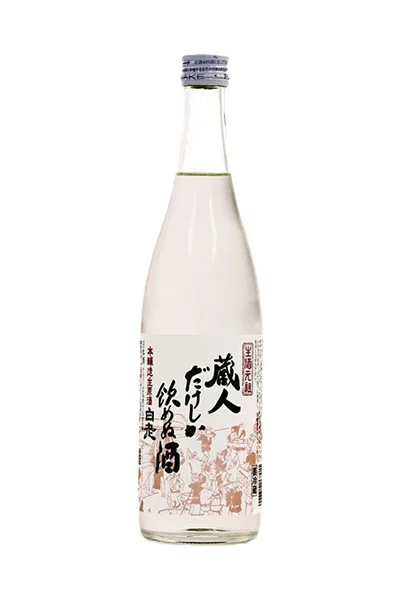
- Hakuro Kurabito Dake Shika Nomenu Sake白老 蔵人だけしか飲めぬ酒
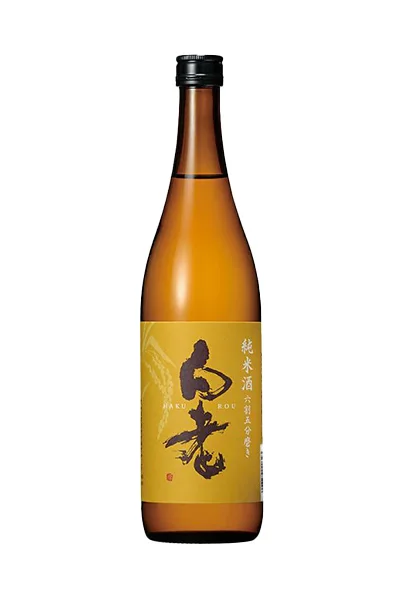
- Hakuro Junmai sake白老 純米酒
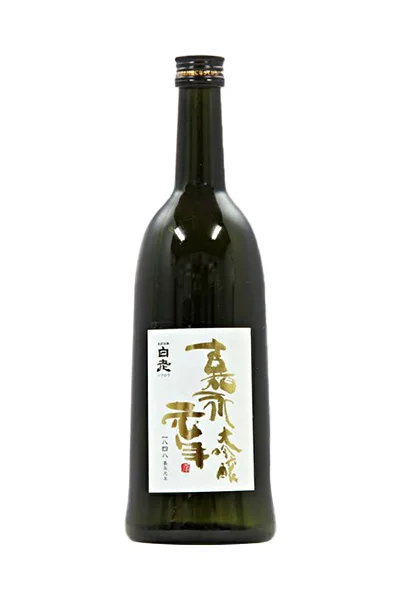
- Hakuro Kaei Gannen白老 嘉永元年
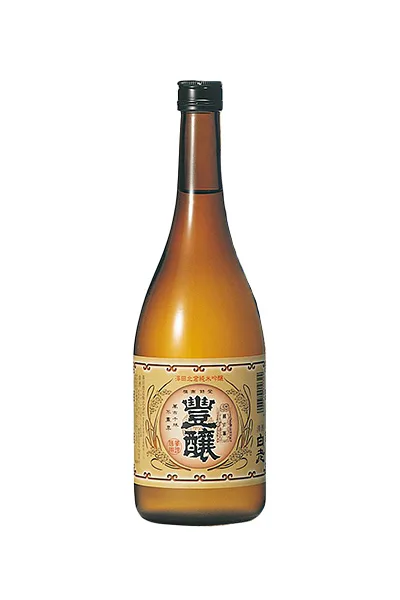
- Hakuro Hojo白老 豊醸
- Hakuro Hyakunijuni Go白老 百二拾二号
- Hakuro Tokubetsu Junmai Wakamizu白老 特別純米酒 若水