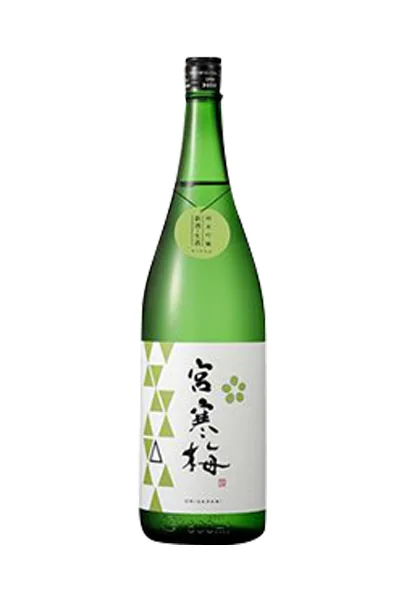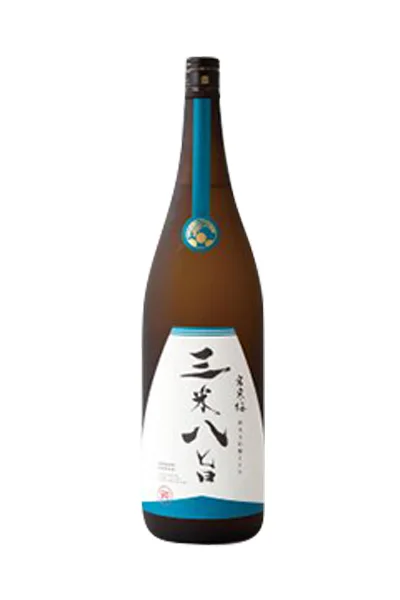
Miyakanbai Sanmai Hachiumi
宮寒梅 三米八旨Junmai ginjo, Miyama Nishiki rice polished to 35%
Miyakanbai — Kambai Shuzo, Miyagi
Savor a colorful array of flavors that unfold across the palate.
Specifications
- Type
- Junmai Ginjo
- Rice
- Miyama Nishiki
- Rice polishing ratio
- 35%65% of each grain polished away
- Yeast
- Not disclosed
- Alcohol
- 15%
- Sake meter value
- +3slightly dry
- Acidity
- 1.5
How to read these
- Type
- The grade printed on the label. It depends on the ingredients (rice only, or with a little distilled alcohol) and on how far the rice is polished. More
- Rice
- The rice variety. Most premium sake uses varieties grown for brewing, such as Yamada Nishiki. More
- Rice polishing ratio
- How much of each grain is left after polishing. A lower number means more was milled away, which usually gives a lighter, more aromatic sake. More
- Yeast
- The yeast strain, which shapes the aroma. More
- Alcohol
- Alcohol by volume. Most sake is 15–16%; undiluted (genshu) sake is often 17–18%. More
- Sake meter value
- A sweet-to-dry scale. Plus is drier, minus is sweeter. Acidity changes how it tastes, so treat it as a rough guide. More
- Acidity
- Total acid. Higher tends to taste fuller and drier; lower tastes lighter and sweeter. More
Flavor profile Full & complex
RestrainedAromatic
RichLight
Full & complex — aromatic and full-bodied, including aged sake. Known in Japan as juku-shu (熟酒).
A 35% polished junmai ginjo with SMV +3 and acidity 1.5 reads as medium-dry with moderate aroma. The description's emphasis on abundant umami and colorful flavors pushes body slightly upward into the juku region.
Estimated by AI from the published specifications and the brewery's description; your impression may differ.
About
Made by carefully combining three varieties of rice grown in the brewery's own paddies, this is a sake that achieves 'eight kinds of umami blooming in full.'
Other sake from this brand 10
- Miyakanbai Junmai Ginjo Origarami宮寒梅 純米吟醸 おりがらみ
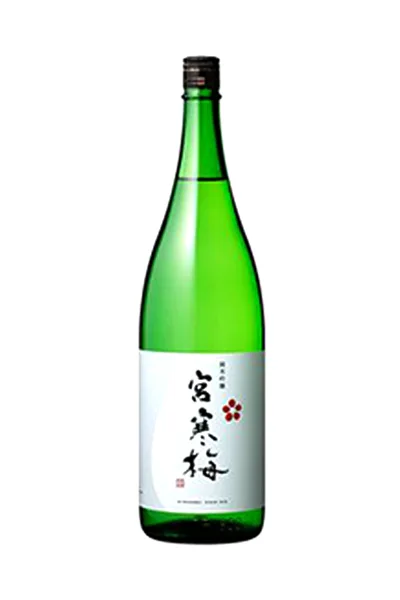
- Miyakanbai Junmai Ginjo宮寒梅 純米吟醸
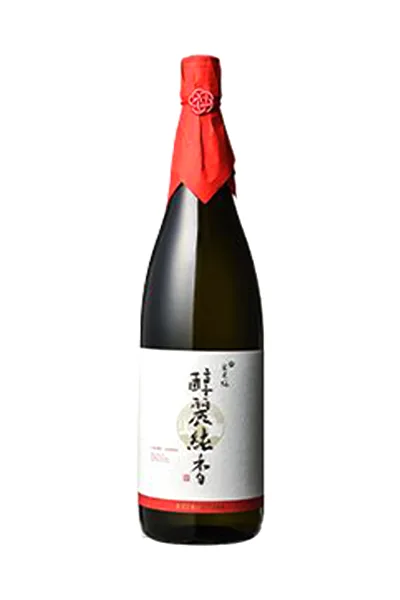
- Miyakanbai Junrei Junka宮寒梅 醇麗純香
- Miyakanbai Junmai sake宮寒梅 純米酒
- Miyakanbai Junmai Daiginjo Muroka Nakadori宮寒梅 純米大吟醸 無濾過 中取り
- Miyakanbai Fuyusaki Kan宮寒梅 冬咲き燗
- Miyakanbai Sasanishiki Tokubetsu Junmai宮寒梅 ササニシキ 特別純米酒
- Miyakanbai Junmai Daiginjo Kura no Hana宮寒梅 純米大吟醸 蔵の華
- Miyakanbai KAME88 Honnama宮寒梅 KAME88 本生
- Miyakanbai Junmai Ginjo Hiyaoroshi宮寒梅 純米吟醸 ひやおろし