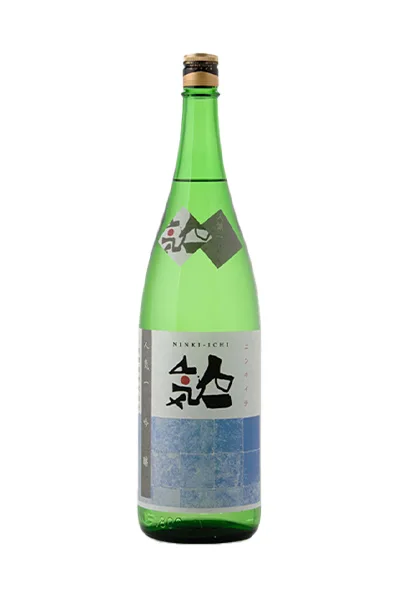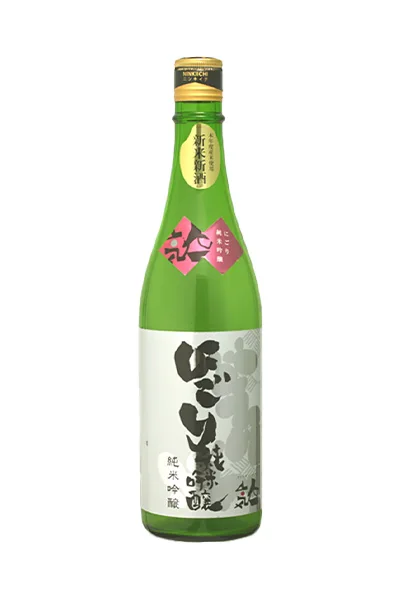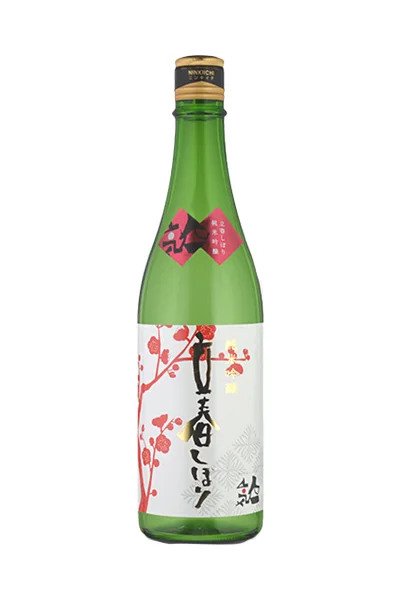
Ninkiichi Risshun Shibori
人気一 立春しぼりJunmai ginjo, rice polished to 60%
Ninkiichi — Ninki Shuzo, Fukushima
Brewed in the coldest season and pressed on the morning of Risshun, a sake to welcome the spring.
Specifications
- Type
- Junmai Ginjo
- Rice
- Not disclosed
- Rice polishing ratio
- 60%40% of each grain polished away
- Yeast
- Not disclosed
- Alcohol
- 16%
How to read these
- Type
- The grade printed on the label. It depends on the ingredients (rice only, or with a little distilled alcohol) and on how far the rice is polished. More
- Rice
- The rice variety. Most premium sake uses varieties grown for brewing, such as Yamada Nishiki. More
- Rice polishing ratio
- How much of each grain is left after polishing. A lower number means more was milled away, which usually gives a lighter, more aromatic sake. More
- Yeast
- The yeast strain, which shapes the aroma. More
- Alcohol
- Alcohol by volume. Most sake is 15–16%; undiluted (genshu) sake is often 17–18%. More
Flavor profile Aromatic & light
Aromatic & light — fruity, floral aroma with a light body. Known in Japan as kun-shu (薫酒).
The 60% polishing ratio and junmai ginjo classification point to a moderately aromatic profile, and the 16% alcohol suggests a light body. This places it in the aromatic, light kun category with a mid-to-slightly-sweet impression.
Estimated by AI from the published specifications and the brewery's description; your impression may differ.
About
[Limited to 3,000 bottles | On sale February 4] On February 4, Risshun (the first day of spring on the traditional solar calendar), plum blossoms begin to bloom in warmer regions. The day before Risshun is Setsubun, and the 88th day counted from Risshun is known as Hachijuhachiya (the eighty-eighth night). The first strong southerly wind of the year is called Haru Ichiban (the first spring wind). In fortune-telling traditions such as feng shui, the year changes with Risshun. Customs such as throwing beans on Setsubun and eating ehomaki (a rolled sushi eaten facing the year's lucky direction) are also observed with Risshun as the start of the year, in hopes of good fortune in the new year. Drink facing this year's lucky direction, and good fortune is sure to follow.
Other sake from this brand 24
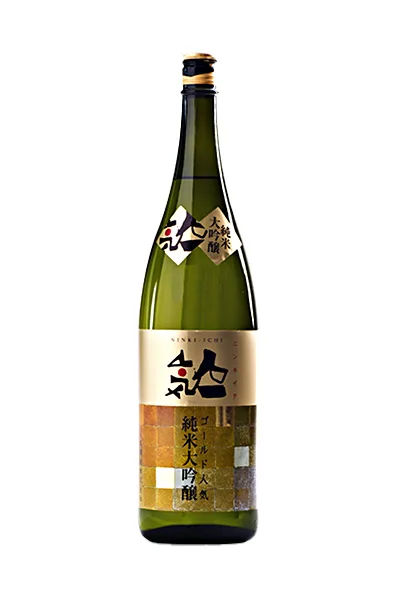
- Ninkiichi Gold Ninki Junmai Daiginjo人気一 ゴールド人気 純米大吟醸
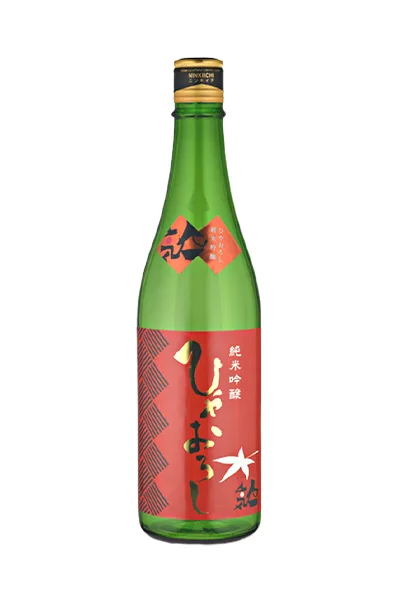
- Ninkiichi Hiyaoroshi人気一 ひやおろし
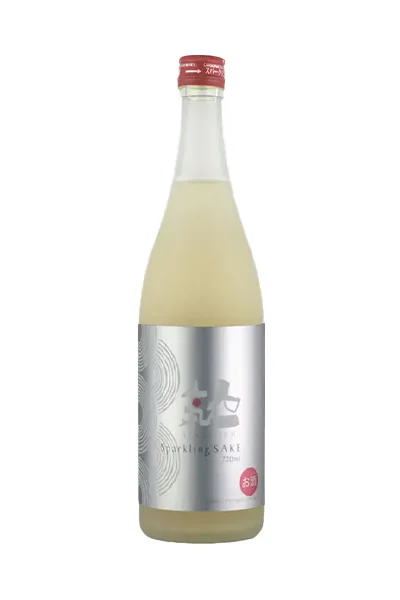
- Ninkiichi Sparkling Junmai Ginjo人気一 スパークリング 純米吟醸
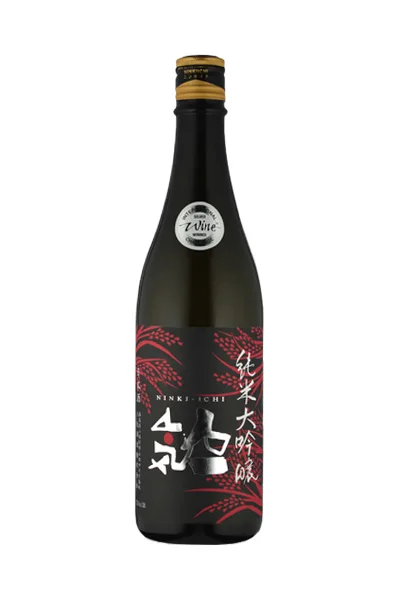
- Ninkiichi Junmai Daiginjo人気一 純米大吟醸
- Ninkiichi Ao Ninki Ginjo人気一 青人気 吟醸
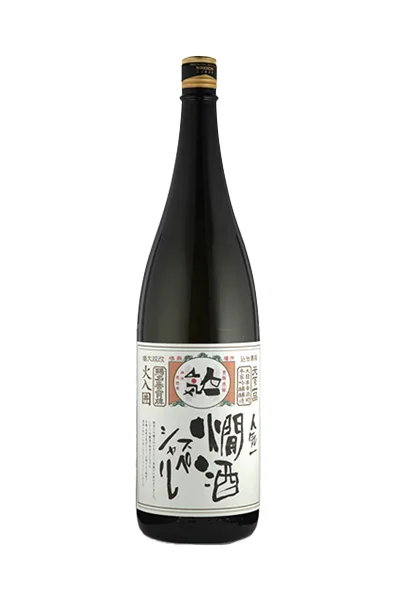
- Ninkiichi Ki Ninki Kanzake Special人気一 黄人気 燗酒スペシャル
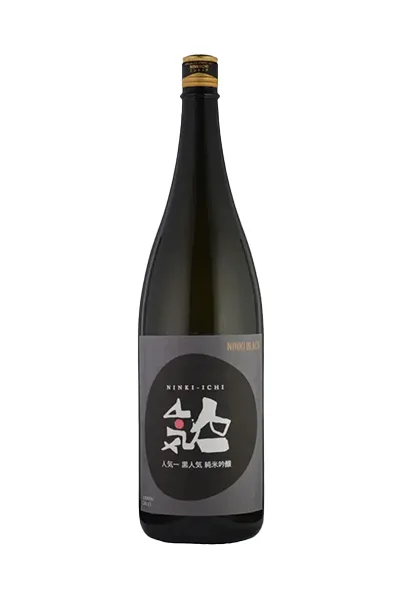
- Ninkiichi Kuro Ninki Junmai Ginjo人気一 黒人気 純米吟醸
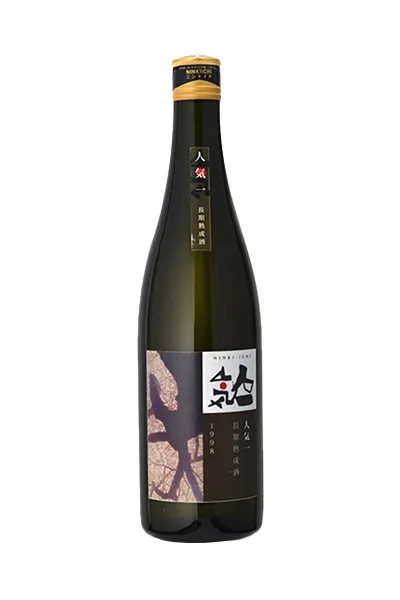
- Ninkiichi Choki Jukusei-shu 1998人気一 長期熟成酒 1998年
- Ninkiichi Nigori Junmai Ginjo人気一 にごり 純米吟醸
- Ninkiichi Natsunama Junmai Ginjo人気一 夏生 純米吟醸
- Ninkiichi Ki Ninki Umakarakuchi人気一 黄人気 旨辛口
- Ninkiichi Daiginjo人気一 大吟醸