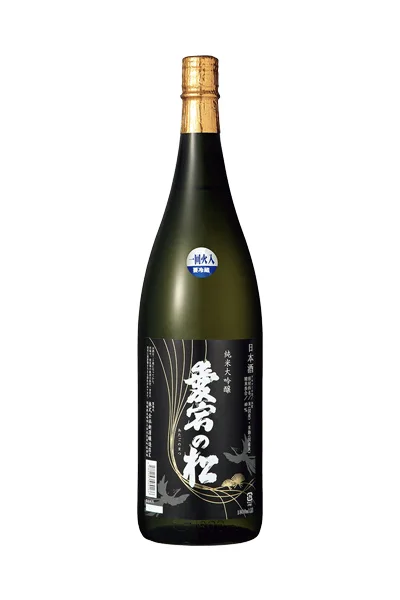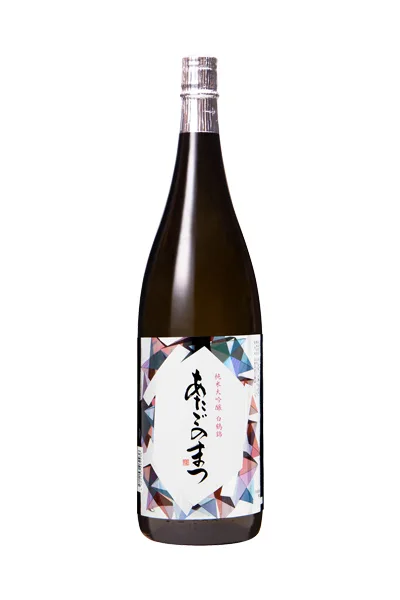
Atago no Matsu Junmai Daiginjo Hakutsuru Nishiki
あたごのまつ 純米大吟醸 白鶴錦Junmai daiginjo, Hakutsuru Nishiki rice polished to 50%
Atago no Matsu — Niizawa Jozoten, Miyagi
Gentle in aroma, drier and quieter than Hakurakusei (伯楽星).
Specifications
- Type
- Junmai Daiginjo
- Rice
- Hakutsuru Nishiki
- Rice polishing ratio
- 50%50% of each grain polished away
- Yeast
- Not disclosed
- Alcohol
- 16%
- Sake meter value
- +3slightly dry
- Acidity
- 1.4
How to read these
- Type
- The grade printed on the label. It depends on the ingredients (rice only, or with a little distilled alcohol) and on how far the rice is polished. More
- Rice
- The rice variety. Most premium sake uses varieties grown for brewing, such as Yamada Nishiki. More
- Rice polishing ratio
- How much of each grain is left after polishing. A lower number means more was milled away, which usually gives a lighter, more aromatic sake. More
- Yeast
- The yeast strain, which shapes the aroma. More
- Alcohol
- Alcohol by volume. Most sake is 15–16%; undiluted (genshu) sake is often 17–18%. More
- Sake meter value
- A sweet-to-dry scale. Plus is drier, minus is sweeter. Acidity changes how it tastes, so treat it as a rough guide. More
- Acidity
- Total acid. Higher tends to taste fuller and drier; lower tastes lighter and sweeter. More
Flavor profile Aromatic & light
Aromatic & light — fruity, floral aroma with a light body. Known in Japan as kun-shu (薫酒).
The SMV of +3, acidity of 1.4 and 50% polishing point to a dry, light profile, and the text's gentle white peach and green apple aroma with a crisp, fresh palate places it in the kun quadrant.
Estimated by AI from the published specifications and the brewery's description; your impression may differ.
About
Refined and delicate, yet with a solid presence, it reveals the depth of Hakutsuru Nishiki. When the glass is gently swirled, a refined top aroma reminiscent of white peach rises and drifts through the nose. On the palate, the sake is young and lively, with a flavor that brings to mind green apple. Rather than a first glass, this is a sake for the later part of a meal, a light and crisp sake to enjoy as a second cup or as a palate cleanser between dishes. -Hakutsuru Nishiki- Developed by Hakutsuru Sake Brewing Co., Ltd. as an original sake rice, with the aim of producing a sake rice that rivals or equals Yamada Nishiki. It is currently brewed by around a dozen breweries across the sake industry, which continue to refine its use. Debut: Registered as a variety by the Ministry of Agriculture, Forestry and Fisheries in 2007 (Heisei 19). Mother: Yamadaho, the mother of Yamada Nishiki. Father: Watashibune No. 2, which was selected as a closely related variety because the actual father of Yamada Nishiki, Tankan Wataribune, no longer exists. Characteristics: Large grains with a big white core that rarely crack during polishing. Low in protein and lipids, which are sources of off-flavors. Short culms make it resistant to lodging, so it is relatively easy to cultivate. [Awards] - MILANO SAKE CHALLENGE 2023: Double Gold - International Wine Challenge 2023: Gold - MILANO SAKE CHALLENGE 2022, Tasting Award in the Junmai Daiginjo category: Platinum - MILANO SAKE CHALLENGE 2022, Food Pairing Award: "Seafood Pasta" - Spanish International Sake Competition 2022: Gold [Taste] Fresh, light, with a crisp finish [Aroma] Green apple [Recommended pairings] Seafood in general, carpaccio, oysters
Other sake from this brand 15
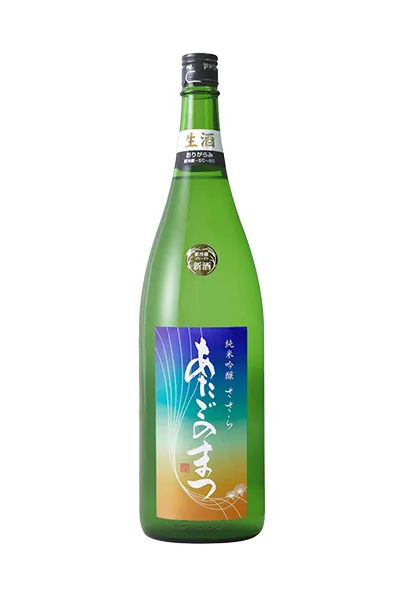
- Atago no Matsu Junmai Ginjo Sasara Origarami Namazakeあたごのまつ 純米吟醸 ささら おりがらみ生酒
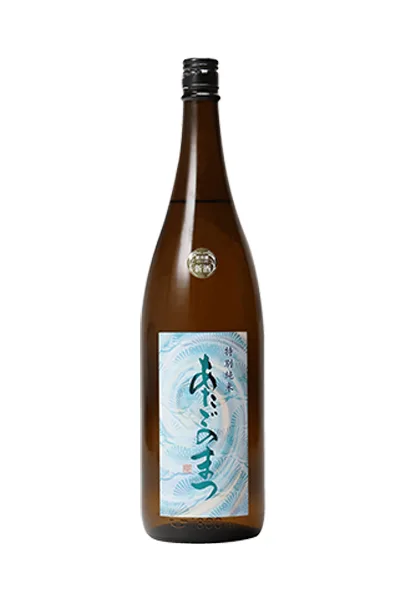
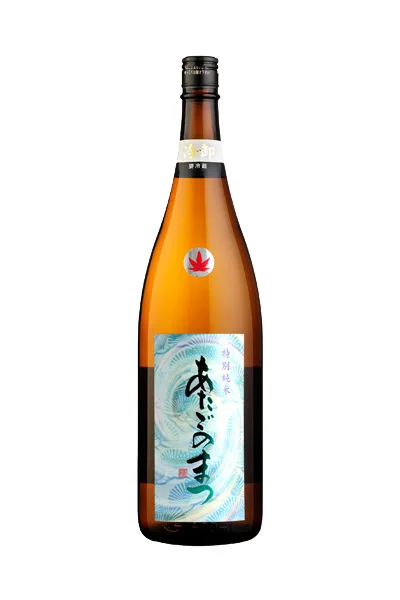
- Atago no Matsu Tokubetsu Junmaiあたごのまつ 特別純米
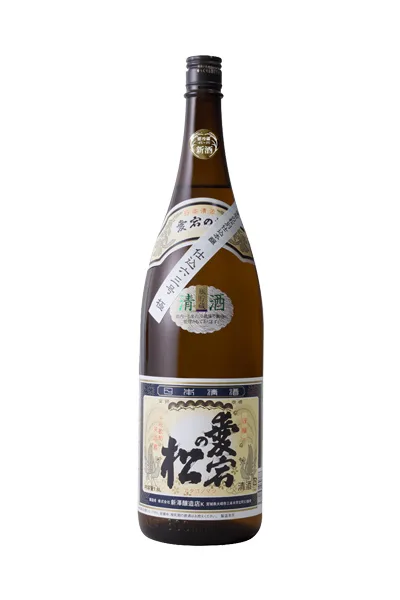
- Atago no Matsu Betsu Shikomi Honjozo愛宕の松 別仕込本醸造
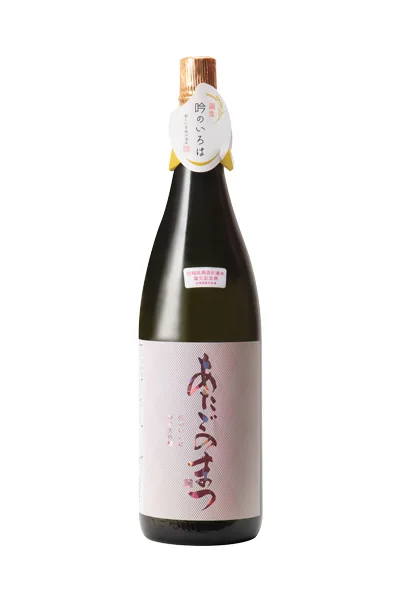
- Atago no Matsu Gin no Iroha Junmai Daiginjoあたごのまつ 吟のいろは 純米大吟醸
- Atago no Matsu Honjozo愛宕の松 本醸造
- Atago no Matsu Hitonatsu no Koi Junmai Ginjo愛宕の松 ひと夏の恋 純米吟醸
- Atago no Matsu Senretsu Dryあたごのまつ 鮮烈辛口
- Atago no Matsu Junmai Daiginjo愛宕の松 純米大吟醸
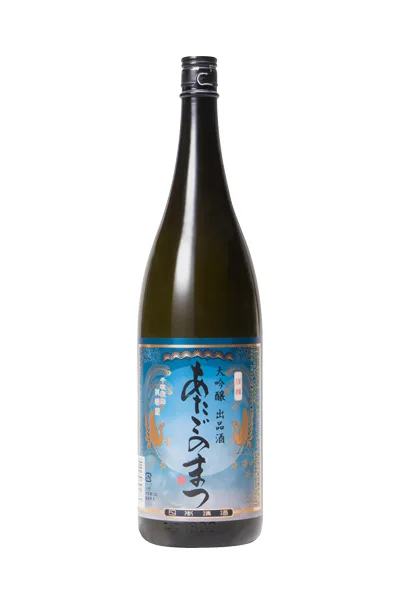
- Atago no Matsu Daiginjo Shuppinshuあたごのまつ 大吟醸 出品酒
- Atago no Matsu Tokubetsu Junmai Hiyaoroshiあたごのまつ 特別純米 冷卸
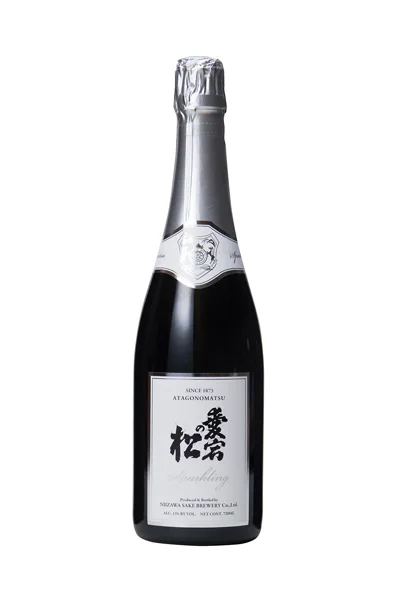
- Atago no Matsu Sparkling愛宕の松 スパークリング
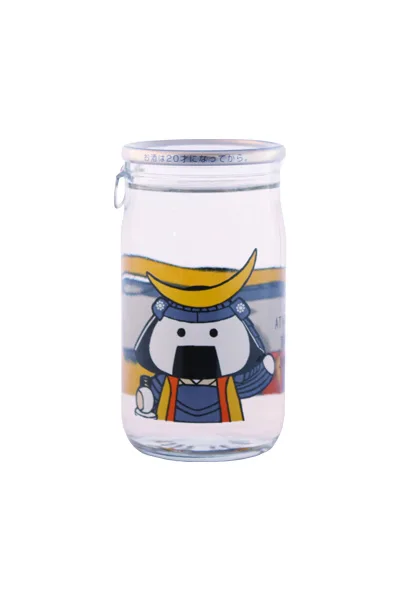
- Atago no Matsu Cup Sake愛宕の松 カップ酒