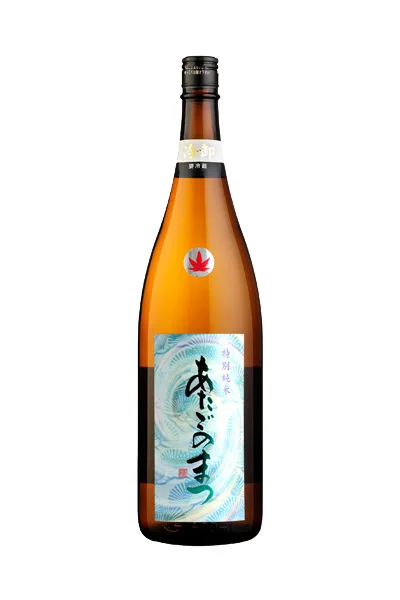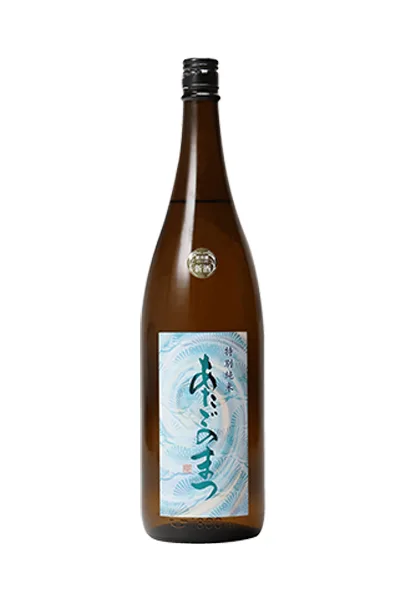
Atago no Matsu Tokubetsu Junmai
あたごのまつ 特別純米Tokubetsu junmai, rice polished to 60%
Atago no Matsu — Niizawa Jozoten, Miyagi
Aromas of melon and white peach, with refreshing acidity and the savory umami of rice
Specifications
- Type
- Tokubetsu Junmai
- Rice
- Not disclosed
- Rice polishing ratio
- 60%40% of each grain polished away
- Yeast
- Not disclosed
- Alcohol
- 15%
- Sake meter value
- +3slightly dry
- Acidity
- 1.6
How to read these
- Type
- The grade printed on the label. It depends on the ingredients (rice only, or with a little distilled alcohol) and on how far the rice is polished. More
- Rice
- The rice variety. Most premium sake uses varieties grown for brewing, such as Yamada Nishiki. More
- Rice polishing ratio
- How much of each grain is left after polishing. A lower number means more was milled away, which usually gives a lighter, more aromatic sake. More
- Yeast
- The yeast strain, which shapes the aroma. More
- Alcohol
- Alcohol by volume. Most sake is 15–16%; undiluted (genshu) sake is often 17–18%. More
- Sake meter value
- A sweet-to-dry scale. Plus is drier, minus is sweeter. Acidity changes how it tastes, so treat it as a rough guide. More
- Acidity
- Total acid. Higher tends to taste fuller and drier; lower tastes lighter and sweeter. More
Flavor profile Aromatic & light
Aromatic & light — fruity, floral aroma with a light body. Known in Japan as kun-shu (薫酒).
Melon and white peach aromas, a refreshing acidity (SMV +3, acidity 1.6) and the text's gentle sweetness and light, crisp finish point to a moderately aromatic, light kun-type sake. The rice umami adds some substance, so body stays only slightly below the midline.
Estimated by AI from the published specifications and the brewery's description; your impression may differ.
About
The use of flat-polished rice (hempei seimai) brings out an even more pronounced clean finish, making this a bottle that complements a wide range of dishes. It can be enjoyed in any style, from chilled sake to warmed sake (kan). When warmed, it can be served at temperatures of 70°C or higher without any change in its flavor. From chilled to room temperature, and from room temperature to warmed, it suits every kind of occasion. [Awards] ・Luxembourg Sake Challenge 2023 [Bronze] ・Oriental Sake Awards 2023, Junmai Sake (Tanrei) category [Bronze] ・U.S. National Sake Appraisal 2023, Junmai category [Gold] (Sub-Grand Prize, 3rd place) ・KAN SAKE AWARD 2023 [Gold] ・International Wine Challenge 2023 [Gold] [Trophy (1st place)] ・The Fine SAKE Award, Japan 2023 [Gold] ・International Sake Challenge 2022 [Silver] ・The Fine SAKE Award, Japan 2022 [Top Gold] [Taste] Gentle sweetness, slightly light, with a clean finish [Aroma] Melon, white peach [Recommended pairings] Meat dishes, fried foods
Other sake from this brand 15
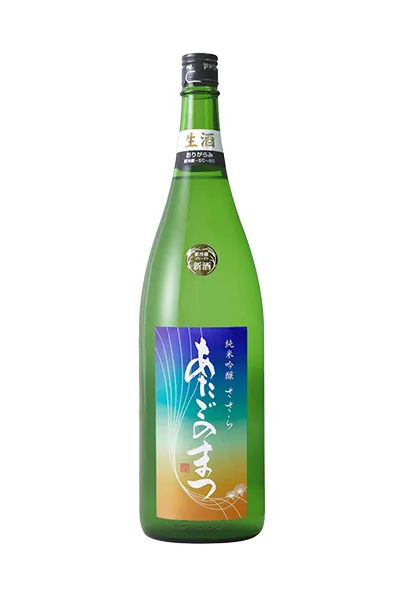
- Atago no Matsu Junmai Ginjo Sasara Origarami Namazakeあたごのまつ 純米吟醸 ささら おりがらみ生酒
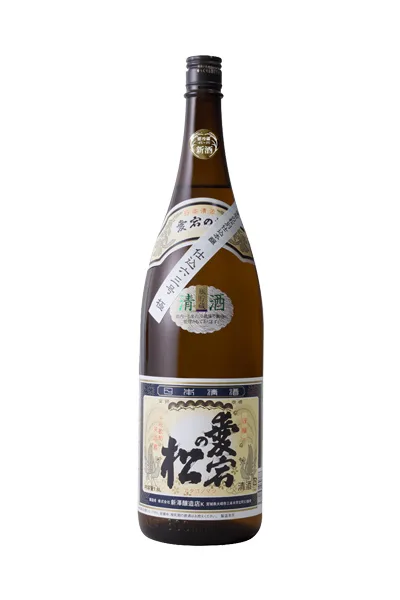
- Atago no Matsu Betsu Shikomi Honjozo愛宕の松 別仕込本醸造
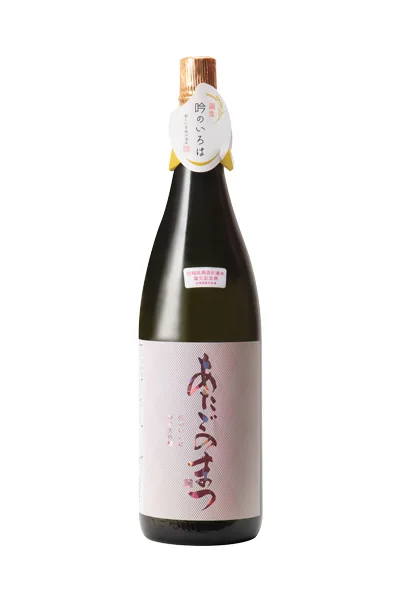
- Atago no Matsu Gin no Iroha Junmai Daiginjoあたごのまつ 吟のいろは 純米大吟醸
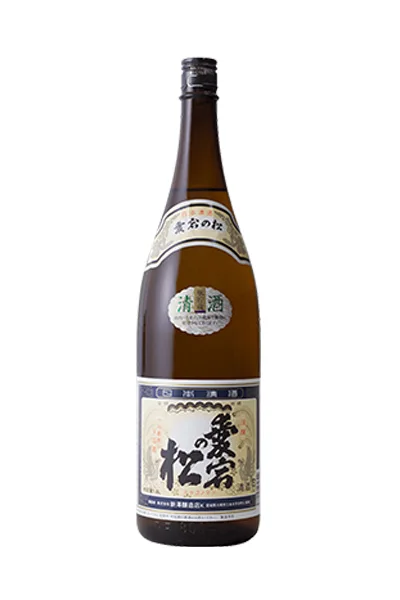
- Atago no Matsu Honjozo愛宕の松 本醸造
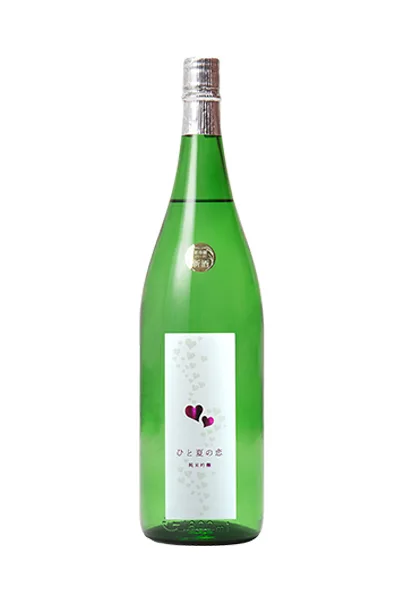
- Atago no Matsu Hitonatsu no Koi Junmai Ginjo愛宕の松 ひと夏の恋 純米吟醸
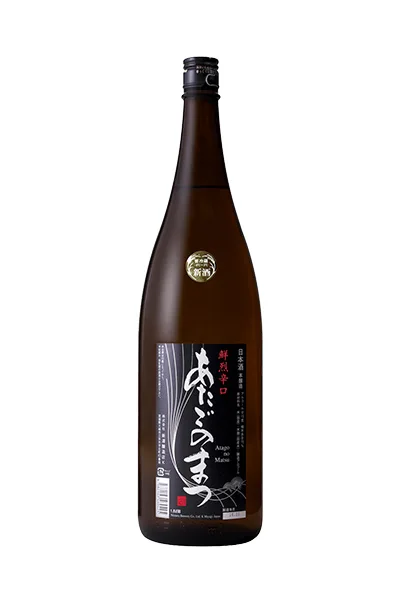
- Atago no Matsu Senretsu Dryあたごのまつ 鮮烈辛口
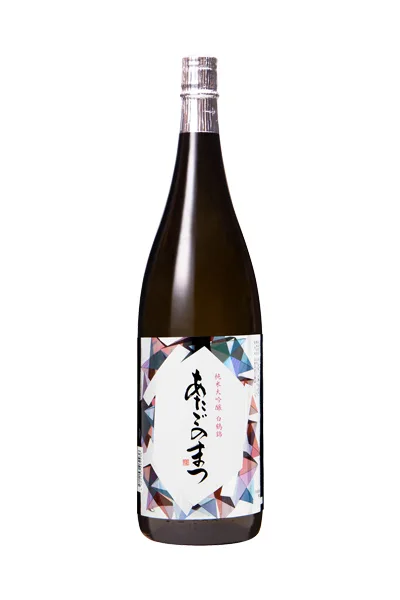
- Atago no Matsu Junmai Daiginjo Hakutsuru Nishikiあたごのまつ 純米大吟醸 白鶴錦
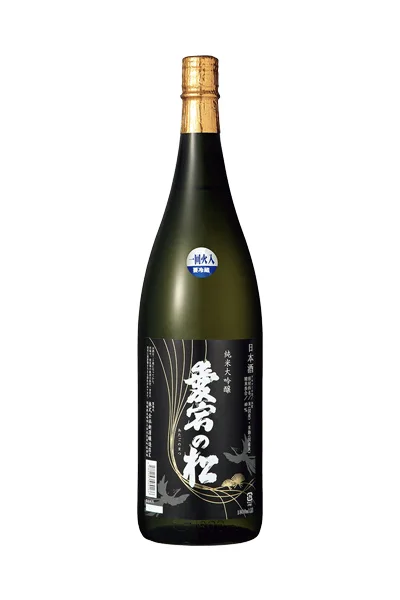
- Atago no Matsu Junmai Daiginjo愛宕の松 純米大吟醸
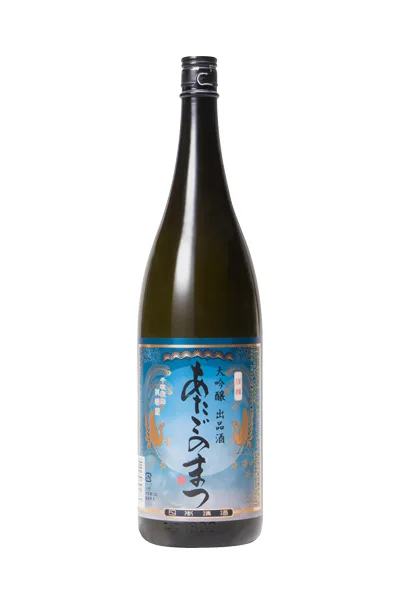
- Atago no Matsu Daiginjo Shuppinshuあたごのまつ 大吟醸 出品酒
- Atago no Matsu Tokubetsu Junmai Hiyaoroshiあたごのまつ 特別純米 冷卸
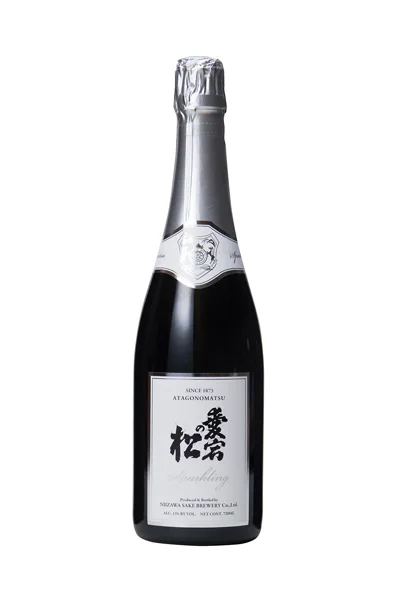
- Atago no Matsu Sparkling愛宕の松 スパークリング
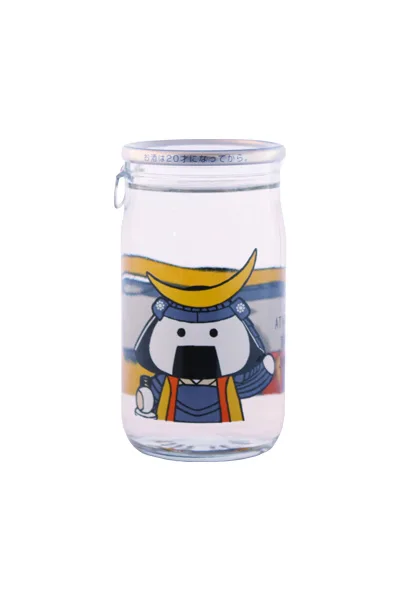
- Atago no Matsu Cup Sake愛宕の松 カップ酒