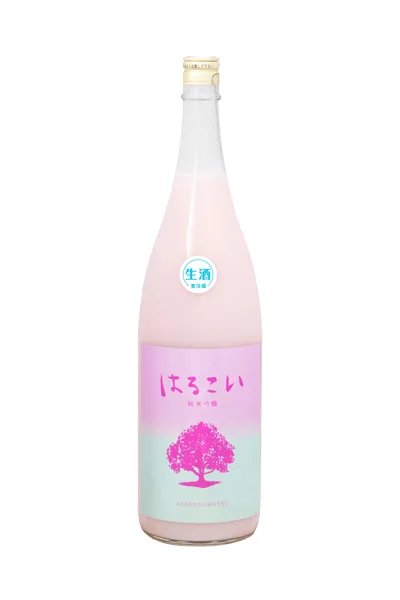
Atago no Matsu Harukoi Junmai Ginjo
あたごのまつ はるこい 純米吟醸Junmai ginjo, rice polished to 60%
Atago no Matsu — Niizawa Jozoten, Miyagi
A vivid spring-pink nigori namazake, cloudy and unpasteurized.
Specifications
- Type
- Junmai Ginjo
- Rice
- Domestic rice
- Rice polishing ratio
- 60%40% of each grain polished away
- Yeast
- Not disclosed
- Alcohol
- 11%
- Sake meter value
- -55very sweet
- Acidity
- 3.3
How to read these
- Type
- The grade printed on the label. It depends on the ingredients (rice only, or with a little distilled alcohol) and on how far the rice is polished. More
- Rice
- The rice variety. Most premium sake uses varieties grown for brewing, such as Yamada Nishiki. More
- Rice polishing ratio
- How much of each grain is left after polishing. A lower number means more was milled away, which usually gives a lighter, more aromatic sake. More
- Yeast
- The yeast strain, which shapes the aroma. More
- Alcohol
- Alcohol by volume. Most sake is 15–16%; undiluted (genshu) sake is often 17–18%. More
- Sake meter value
- A sweet-to-dry scale. Plus is drier, minus is sweeter. Acidity changes how it tastes, so treat it as a rough guide. More
- Acidity
- Total acid. Higher tends to taste fuller and drier; lower tastes lighter and sweeter. More
Flavor profile Aromatic & light
Aromatic & light — fruity, floral aroma with a light body. Known in Japan as kun-shu (薫酒).
Strawberry and peach aromas from the junmai ginjo style and fresh nigori nama point to high aroma. SMV -55 and the nigori texture give a sweet impression, while 11% alcohol and acidity of 3.3 keep the body light to medium.
Estimated by AI from the published specifications and the brewery's description; your impression may differ.
About
Red yeast is very delicate and difficult to handle, so the brewers' experience and skill were needed to achieve a beautiful pink color. The sake has a refreshing, lively flavor that is sweet-tart and reminiscent of strawberries. No beni-koji (red koji) or ingredients derived from beni-koji are used in this sake. Namazake (unpasteurized sake): sake that has not undergone hiire (pasteurization, or heat treatment). It is characterized by the fresh flavor of freshly pressed sake. Namazake should be refrigerated and enjoyed within three months of the production month. [Awards] ・Oriental Sake Awards 2023, Sake Category, Silver Award [Taste] Fresh, rich, with a clean finish [Aroma] Strawberry, peach
Other sake from this brand 15
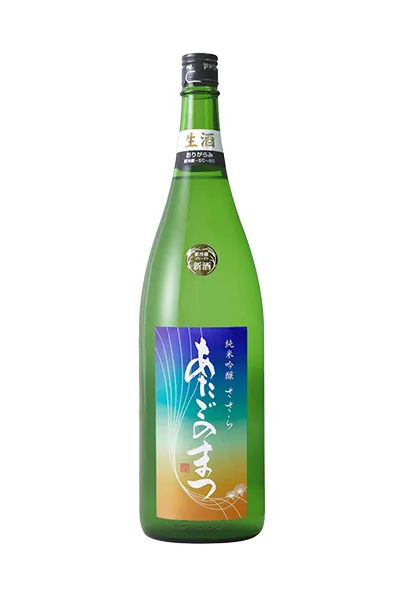
- Atago no Matsu Junmai Ginjo Sasara Origarami Namazakeあたごのまつ 純米吟醸 ささら おりがらみ生酒
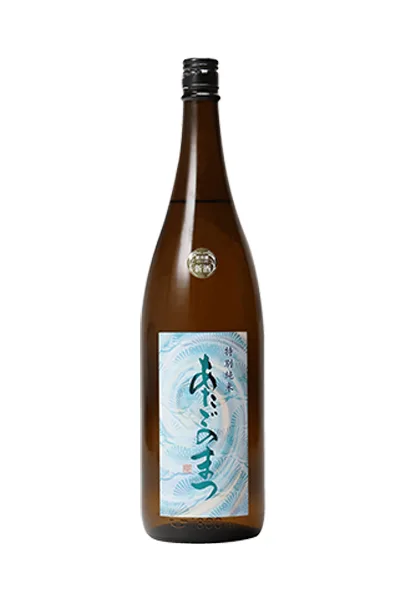
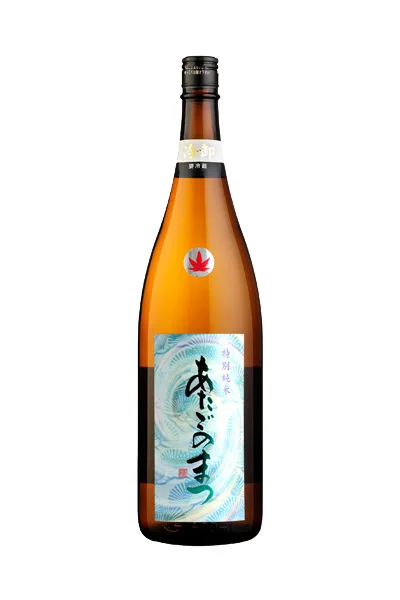
- Atago no Matsu Tokubetsu Junmaiあたごのまつ 特別純米
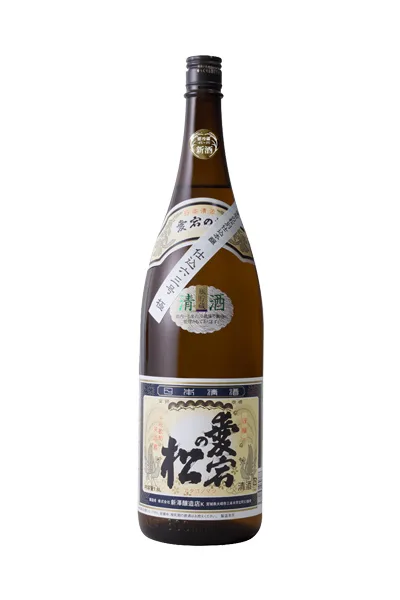
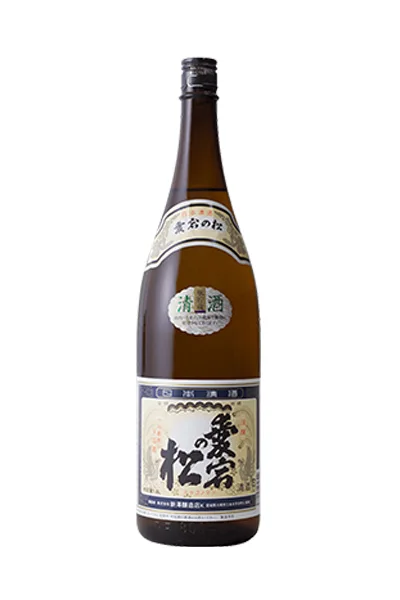
- Atago no Matsu Betsu Shikomi Honjozo愛宕の松 別仕込本醸造
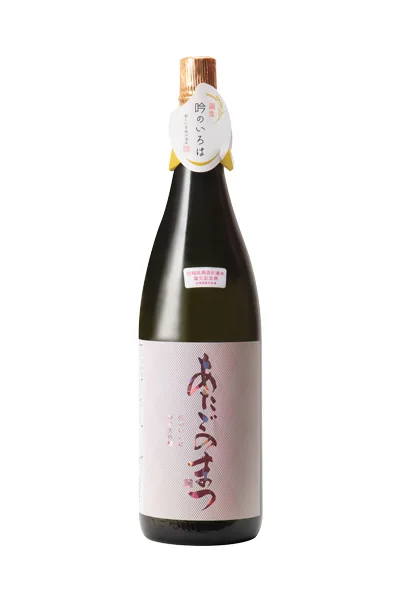
- Atago no Matsu Gin no Iroha Junmai Daiginjoあたごのまつ 吟のいろは 純米大吟醸
- Atago no Matsu Honjozo愛宕の松 本醸造
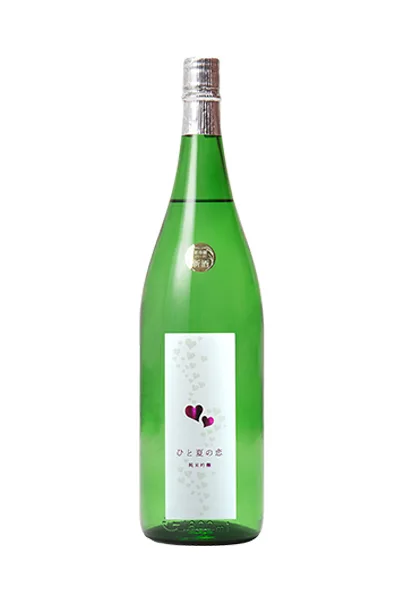
- Atago no Matsu Hitonatsu no Koi Junmai Ginjo愛宕の松 ひと夏の恋 純米吟醸
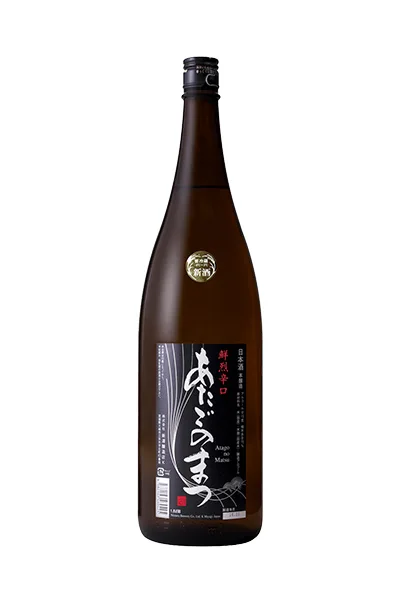
- Atago no Matsu Senretsu Dryあたごのまつ 鮮烈辛口
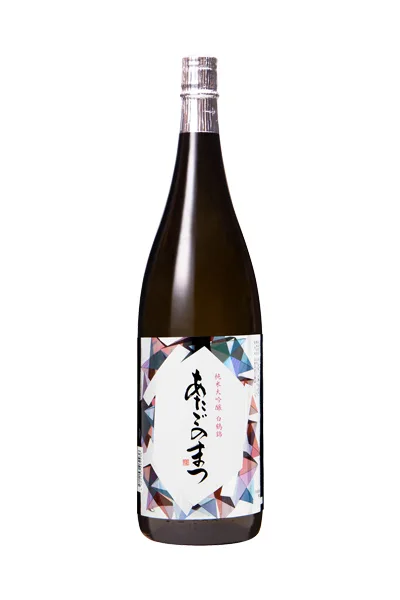
- Atago no Matsu Junmai Daiginjo Hakutsuru Nishikiあたごのまつ 純米大吟醸 白鶴錦
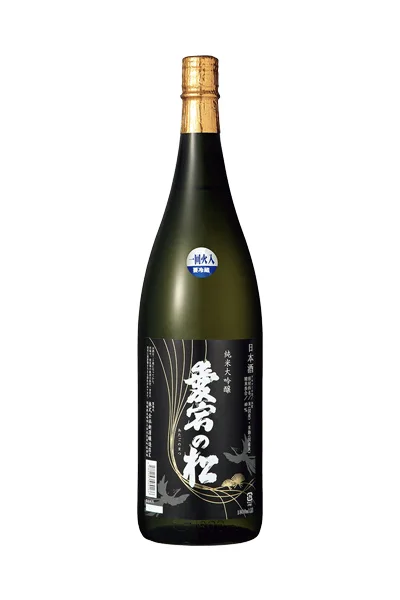
- Atago no Matsu Junmai Daiginjo愛宕の松 純米大吟醸
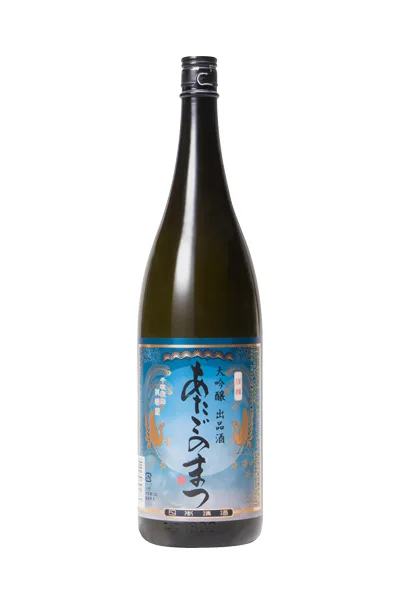
- Atago no Matsu Daiginjo Shuppinshuあたごのまつ 大吟醸 出品酒
- Atago no Matsu Tokubetsu Junmai Hiyaoroshiあたごのまつ 特別純米 冷卸
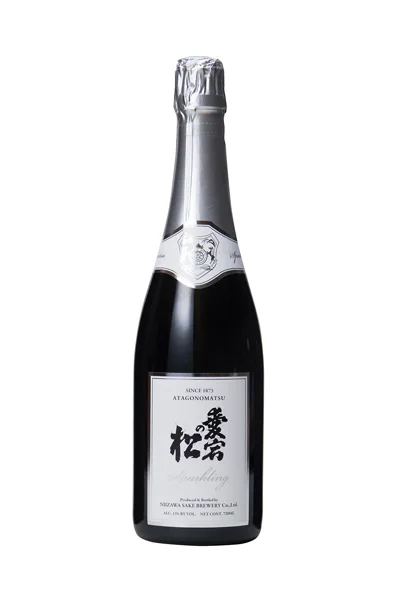
- Atago no Matsu Sparkling愛宕の松 スパークリング