Daina Kimoto Junmai
大那 生もと純米Junmai, rice polished to 55%, kimoto starter
Daina — Kikunosato Shuzo, Tochigi
Matured within the brewery, its softened, gentle umami glides smoothly with no catch on the palate.
Specifications
- Type
- Junmai Shu
- Rice
- Not disclosed
- Rice polishing ratio
- 55%45% of each grain polished away
- Yeast
- Not disclosed
- Alcohol
- 15%
How to read these
- Type
- The grade printed on the label. It depends on the ingredients (rice only, or with a little distilled alcohol) and on how far the rice is polished. More
- Rice
- The rice variety. Most premium sake uses varieties grown for brewing, such as Yamada Nishiki. More
- Rice polishing ratio
- How much of each grain is left after polishing. A lower number means more was milled away, which usually gives a lighter, more aromatic sake. More
- Yeast
- The yeast strain, which shapes the aroma. More
- Alcohol
- Alcohol by volume. Most sake is 15–16%; undiluted (genshu) sake is often 17–18%. More
Flavor profile Rich & umami
Rich & umami — rice-driven umami and a fuller body. Known in Japan as jun-shu (醇酒).
The kimoto brewing, the mellow rounded umami and fine acidity described in the text, together with the 55% polishing ratio, point to restrained aroma and a full, rich body. Sweetness is modest, with umami carrying the palate rather than sugar.
Estimated by AI from the published specifications and the brewery's description; your impression may differ.
About
Also, the gentle mouthfeel that comes from the character of Miyama Nishiki (sake rice) is very pleasant, and fine-grained acidity wraps around the whole. It is delicious even chilled, but warming it (kan) brings out its character further. Made using the kimoto (traditional yeast-starter method) process, it offers a striking harmony of the five tastes and a soft, airy umami.
Other sake from this brand 13
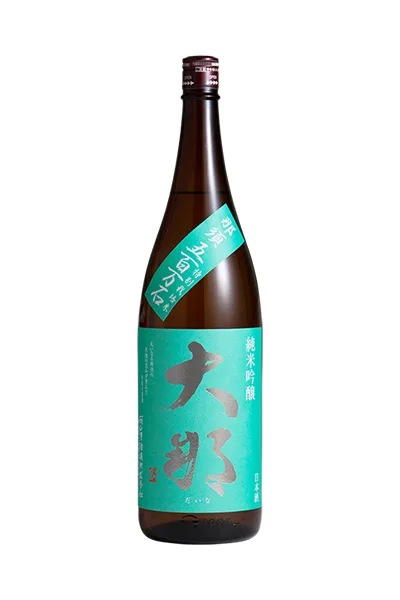
- Daina Junmai Ginjo Nasu Gohyakumangoku大那 純米吟醸 那須五百万石
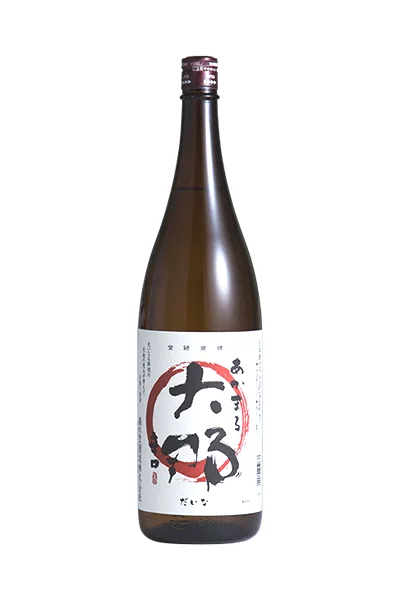
- Daina Akamaru大那 あかまる
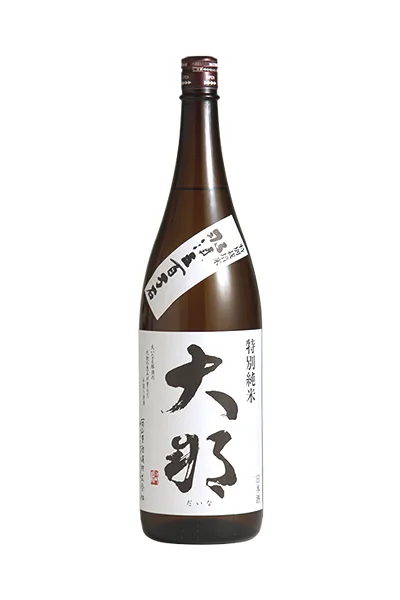
- Daina Tokubetsu Junmai Nasu Gohyakumangoku大那 特別純米 那須五百万石
- Daina Cho-karakuchi Junmai大那 超辛口 純米
- Daina Junmai Ginjo Yamadaho大那 純米吟醸 山田穂
- Daina Junmai Ginjo Arabashiri大那 純米吟醸 あらばしり
- Daina Tokubetsu Junmai Hatsushibori大那 特別純米 初しぼり
- Daina Tokubetsu Junmai Yamada Nishiki大那 特別純米 山田錦
- Daina Natsukoshi Junmai Ginjo大那 夏越し純吟
- Daina Junmai Ginjo Mukaatsusaku大那 純米吟醸 無加圧搾
- Daina Junmai Ginjo Sparkling大那 純米吟醸 スパークリング
- Daina Daiginjo Nakadori Annual Japan Sake Awards Exhibition Sake大那 大吟醸 中取り 全国新酒鑑評会出品酒