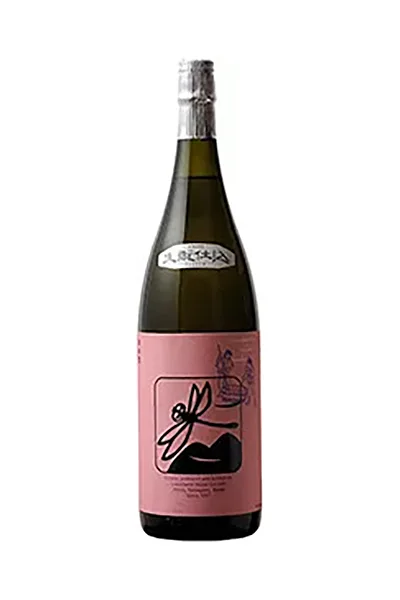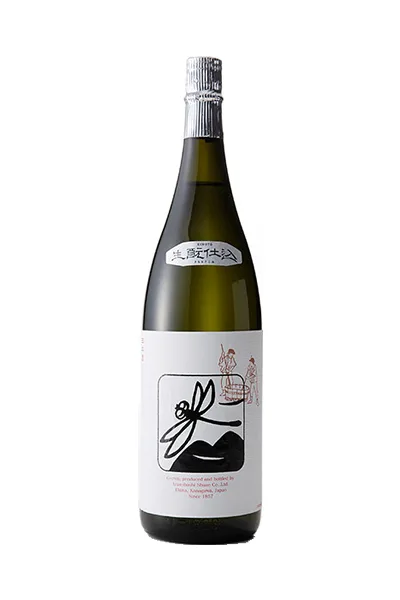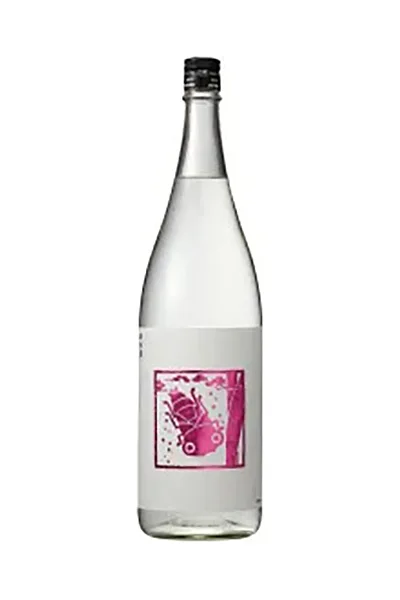
Izumibashi Natsu Yago Pink
いづみ橋 夏ヤゴ ピンクJunmai, rice polished to 65%, kimoto starter, undiluted (genshu), unfiltered (muroka), unpasteurized (nama)
Izumibashi — Izumibashi Shuzo, Kanagawa
A message from the summer rice paddies, enjoyed in a glass.
Specifications
- Type
- Junmai Shu
- Rice
- Not disclosed
- Rice polishing ratio
- 65%35% of each grain polished away
- Yeast
- Not disclosed
- Alcohol
- 18%
How to read these
- Type
- The grade printed on the label. It depends on the ingredients (rice only, or with a little distilled alcohol) and on how far the rice is polished. More
- Rice
- The rice variety. Most premium sake uses varieties grown for brewing, such as Yamada Nishiki. More
- Rice polishing ratio
- How much of each grain is left after polishing. A lower number means more was milled away, which usually gives a lighter, more aromatic sake. More
- Yeast
- The yeast strain, which shapes the aroma. More
- Alcohol
- Alcohol by volume. Most sake is 15–16%; undiluted (genshu) sake is often 17–18%. More
Flavor profile Rich & umami
Rich & umami — rice-driven umami and a fuller body. Known in Japan as jun-shu (醇酒).
The text describes grain-led aromas with apricot-like acidity, a dry, full-flavored profile from kimoto brewing, and a genshu at 18% with 65% polishing. This points to restrained aroma, full body and low sweetness, placing it in the jun quadrant.
Estimated by AI from the published specifications and the brewery's description; your impression may differ.
About
The main aromas are gentle grain notes reminiscent of freshly pounded mochi and shiratamako (glutinous rice flour), along with fruity notes of apricot that carry a tangy acidity. On the palate, this dry genshu (undiluted sake) is brewed using the kimoto (traditional yeast-starter method) approach, offering rich acidity and a smooth, expansive umami that remains easy to drink to the last glass. It is best enjoyed chilled, at room temperature, or warmed (kan) to around 55°C.
Other sake from this brand 14
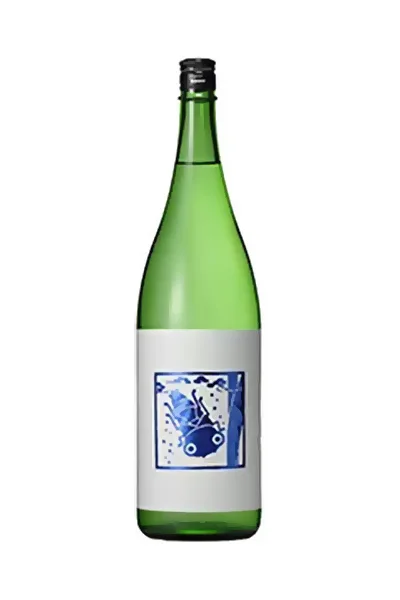
- Izumibashi Natsu Yago Blueいづみ橋 夏ヤゴ ブルー
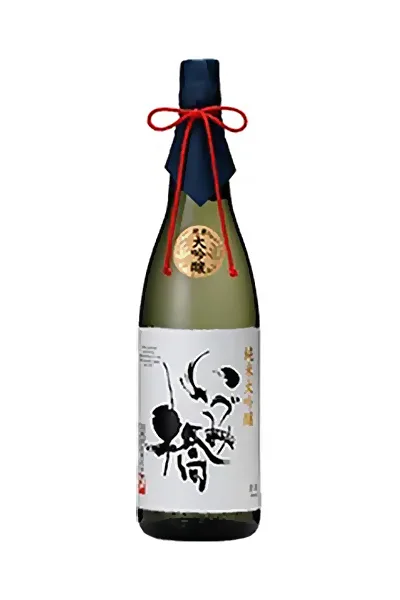
- Izumibashi Junmai Daiginjoいづみ橋 純米大吟醸
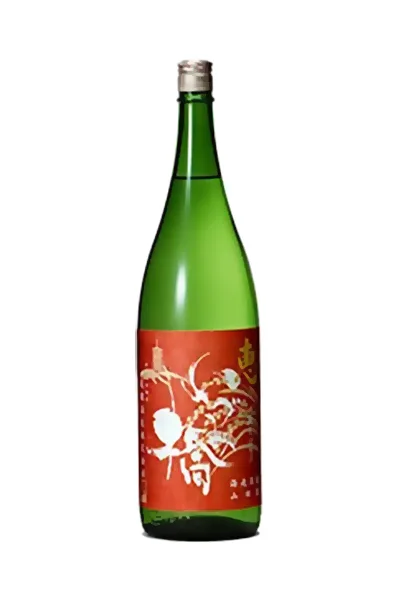
- Izumibashi Megumi Red Label Junmai Muroka Genshuいづみ橋 恵 赤ラベル 純米 無濾過原酒
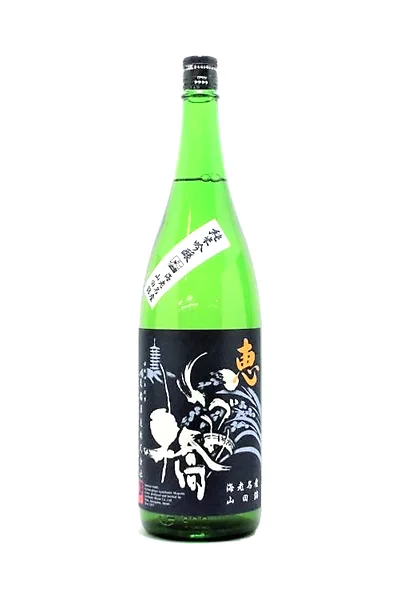
- Izumibashi Megumi Ao Label Muroka Junmai Ginjoいづみ橋 恵 青ラベル 無濾過 純米吟醸
- Izumibashi Momoiro Kuro Tonboいづみ橋 桃色 黒とんぼ
- Izumibashi Kimoto Junmai Kuro Tonboいづみ橋 生酛純米 黒とんぼ
- Izumibashi Tokubetsu Junmaiいづみ橋 特別純米酒
- Izumibashi Junmai Ginjo Omachiいづみ橋 純米吟醸酒 雄町
- Izumibashi Tokusen Daiginjoいづみ橋 特撰 大吟醸
- Izumibashi Daiginjoいづみ橋 大吟醸
- Izumibashi Junmai Ginjoいづみ橋 純米吟醸酒
- Izumibashi Ginjoいづみ橋 吟醸