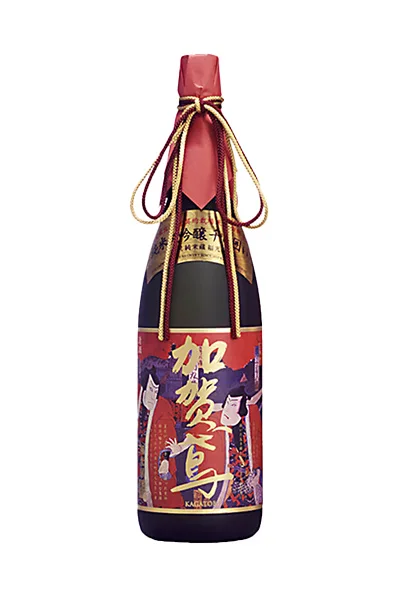
Kagatobi Junmai Daiginjo Sennichi Gakoi
加賀鳶 純米大吟醸 千日囲いJunmai daiginjo, rice polished to 50%
Kagatobi — Fukumitsuya, Ishikawa
A premium sake dressed in a dazzling nishikie woodblock-style label
Specifications
- Type
- Junmai Daiginjo
- Rice
- Not disclosed
- Rice polishing ratio
- 50%50% of each grain polished away
- Yeast
- Not disclosed
- Alcohol
- 17%
- Sake meter value
- +4dry
- Acidity
- 1.6
How to read these
- Type
- The grade printed on the label. It depends on the ingredients (rice only, or with a little distilled alcohol) and on how far the rice is polished. More
- Rice
- The rice variety. Most premium sake uses varieties grown for brewing, such as Yamada Nishiki. More
- Rice polishing ratio
- How much of each grain is left after polishing. A lower number means more was milled away, which usually gives a lighter, more aromatic sake. More
- Yeast
- The yeast strain, which shapes the aroma. More
- Alcohol
- Alcohol by volume. Most sake is 15–16%; undiluted (genshu) sake is often 17–18%. More
- Sake meter value
- A sweet-to-dry scale. Plus is drier, minus is sweeter. Acidity changes how it tastes, so treat it as a rough guide. More
- Acidity
- Total acid. Higher tends to taste fuller and drier; lower tastes lighter and sweeter. More
Flavor profile Full & complex
Full & complex — aromatic and full-bodied, including aged sake. Known in Japan as juku-shu (熟酒).
The 50% polishing of this junmai daiginjo supports a moderate aroma, while the 1,000-day cold aging and 17% alcohol point to a fuller, mature body. A SMV of +4 and acidity of 1.6 indicate a restrained, mildly dry sweetness.
Estimated by AI from the published specifications and the brewery's description; your impression may differ.
About
Made with only the most carefully selected grains of contract-grown Yamada Nishiki, widely regarded as the pinnacle of sake rice, this Junmai Daiginjo was meticulously brewed and then slowly aged at low temperature for a full thousand days. The nishikie (woodblock print) used on the label is based on the play Mekura Nagaya Ume Kaga Tobi (盲長屋梅加賀鳶), a landmark work by Kawatake Mokuami that was first performed in 1886 (Meiji 19) by the fifth Onoe Kikugoro. Recommended for Iwai (celebrations) and as a gift.
Other sake from this brand 11
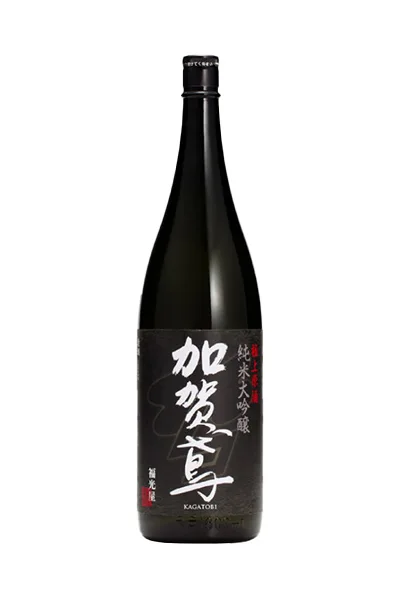
- Kagatobi Junmai Daiginjo Kiwami Genshu加賀鳶 純米大吟醸 極上原酒
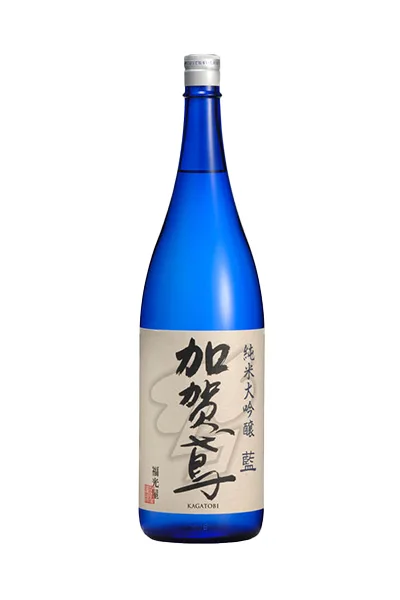
- Kagatobi Junmai Daiginjo Ai加賀鳶 純米大吟醸 藍
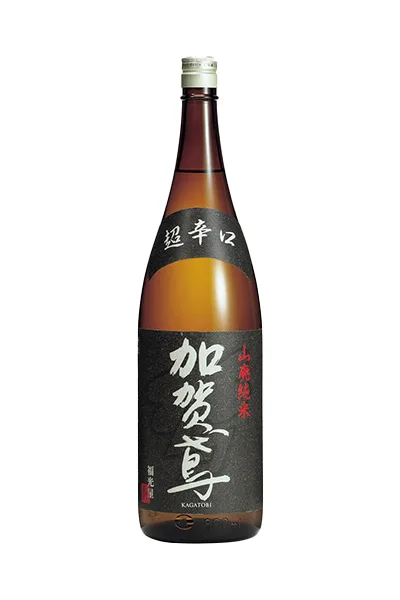
- Kagatobi Yamahai Junmai Cho-karakuchi加賀鳶 山廃純米 超辛口
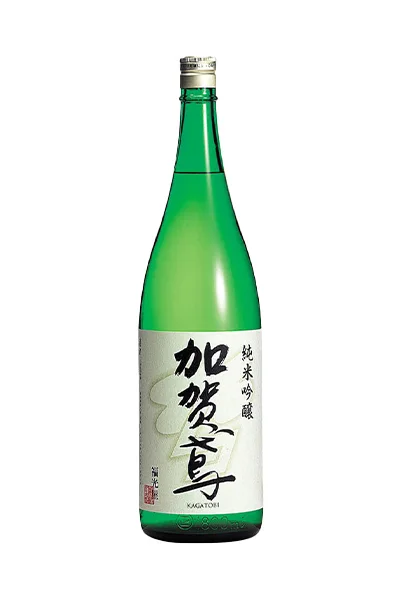
- Kagatobi Junmai Ginjo加賀鳶 純米吟醸
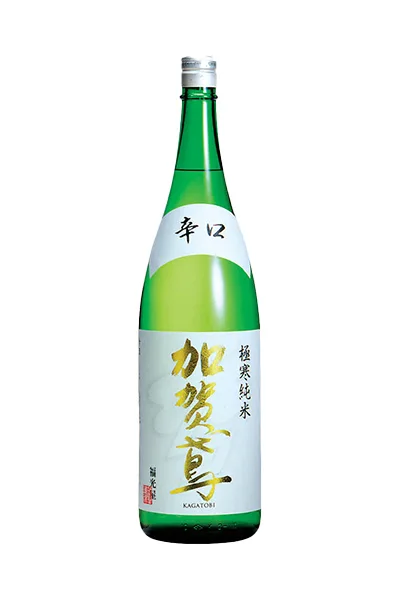
- Kagatobi Gokkan Junmai Dry加賀鳶 極寒純米 辛口
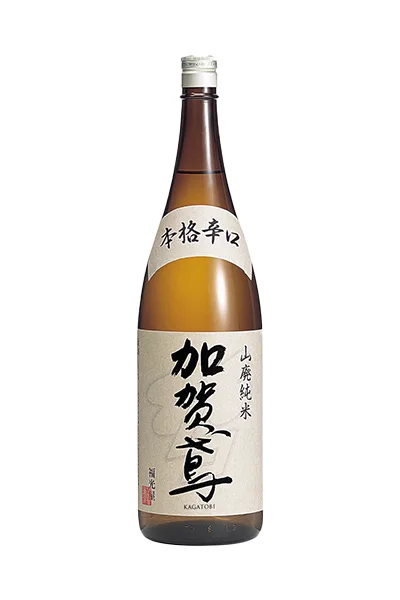
- Kagatobi Yamahai Junmai Honkaku Karakuchi加賀鳶 山廃純米 本格辛口
- Kagatobi Yamahai Junmai Ginjo Hiyaoroshi Genshu加賀鳶 山廃純米吟醸 冷やおろし・原酒
- Kagatobi Junmai Sho Kire no Dry加賀鳶 純米 翔 キレの辛口
- Kagatobi Junmai Ginjo Arabashiri加賀鳶 純米吟醸 あらばしり
- Kagatobi Junmai Daiginjo加賀鳶 純米大吟醸
- Kagatobi Kiwami-Kan Junmai Muroka Nama加賀鳶 極寒純米 無濾過・生