加賀鳶No photo yet
Kagatobi Kiwami-Kan Junmai Muroka Nama
加賀鳶 極寒純米 無濾過・生Junmai, Yamada Nishiki and Gohyakumangoku rice polished to 65%, unfiltered (muroka), unpasteurized (nama)
Kagatobi — Fukumitsuya, Ishikawa
Specifications
- Rice
- 山田錦(兵庫県多可郡中町産)使用率25% 五百万石(富山県福光町産)使用率75%
- Rice polishing ratio
- 65%35% of each grain polished away
- Alcohol
- 17.9%
- Sake meter value
- +5.2dry
- Acidity
- 1.8
How to read these
- Rice
- The rice variety. Most premium sake uses varieties grown for brewing, such as Yamada Nishiki. More
- Rice polishing ratio
- How much of each grain is left after polishing. A lower number means more was milled away, which usually gives a lighter, more aromatic sake. More
- Alcohol
- Alcohol by volume. Most sake is 15–16%; undiluted (genshu) sake is often 17–18%. More
- Sake meter value
- A sweet-to-dry scale. Plus is drier, minus is sweeter. Acidity changes how it tastes, so treat it as a rough guide. More
- Acidity
- Total acid. Higher tends to taste fuller and drier; lower tastes lighter and sweeter. More
Flavor profile Rich & umami
RestrainedAromatic
RichLight
Rich & umami — rice-driven umami and a fuller body. Known in Japan as jun-shu (醇酒).
The 65% polishing, junmai style and 17.9% alcohol point to restrained aroma with a full, rich body. Acidity of 1.8 and an SMV of +5.2 add firmness, so the sake reads as dry-leaning and substantial.
Estimated by AI from the published specifications and the brewery's description; your impression may differ.
Other sake from this brand 11
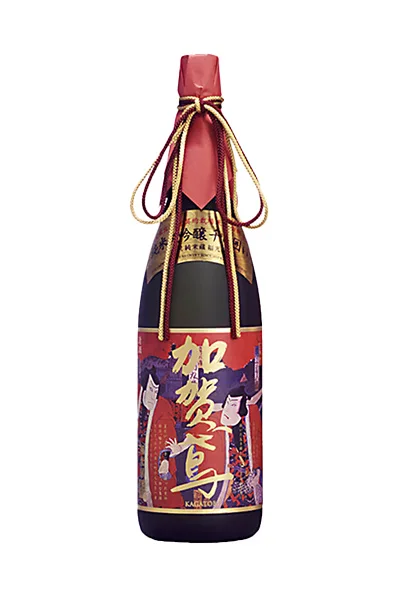
- Kagatobi Junmai Daiginjo Sennichi Gakoi加賀鳶 純米大吟醸 千日囲い
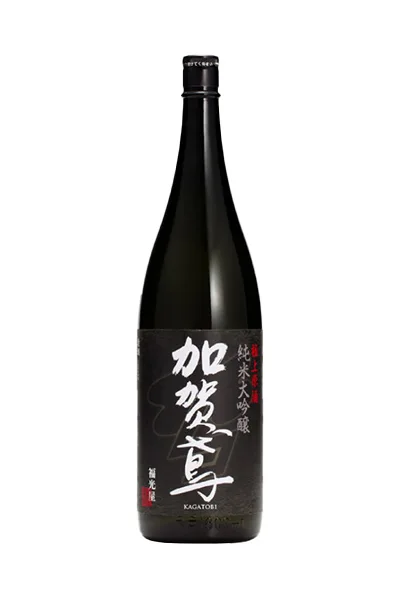
- Kagatobi Junmai Daiginjo Kiwami Genshu加賀鳶 純米大吟醸 極上原酒
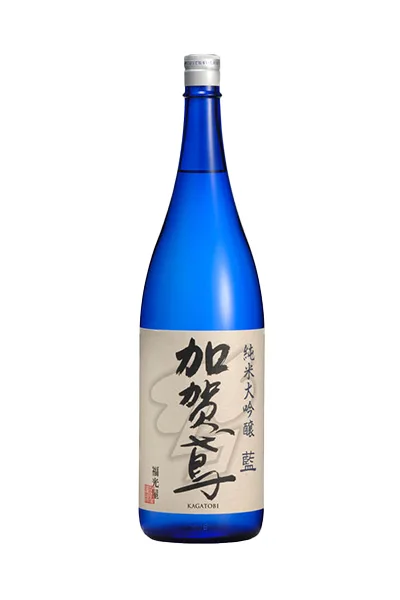
- Kagatobi Junmai Daiginjo Ai加賀鳶 純米大吟醸 藍
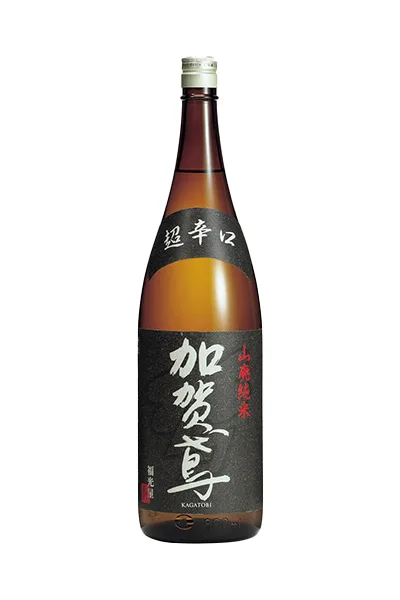
- Kagatobi Yamahai Junmai Cho-karakuchi加賀鳶 山廃純米 超辛口
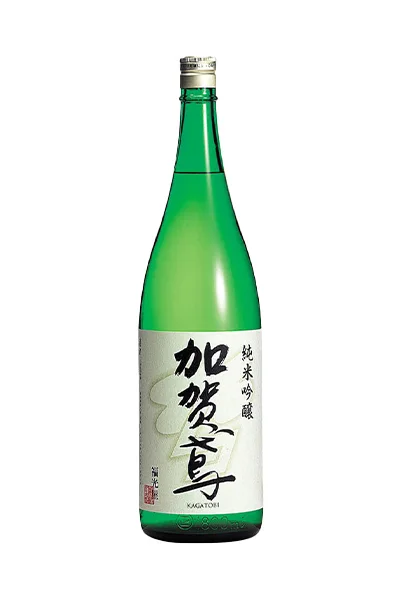
- Kagatobi Junmai Ginjo加賀鳶 純米吟醸
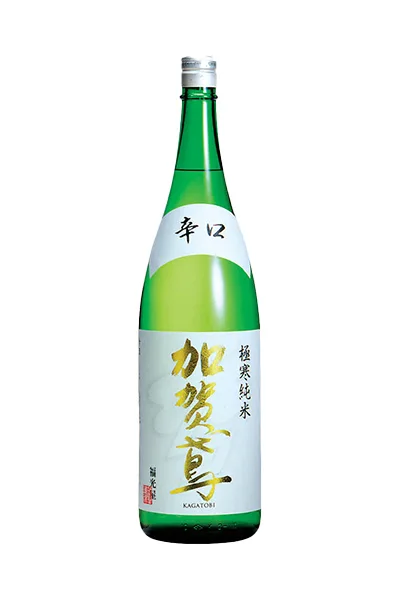
- Kagatobi Gokkan Junmai Dry加賀鳶 極寒純米 辛口
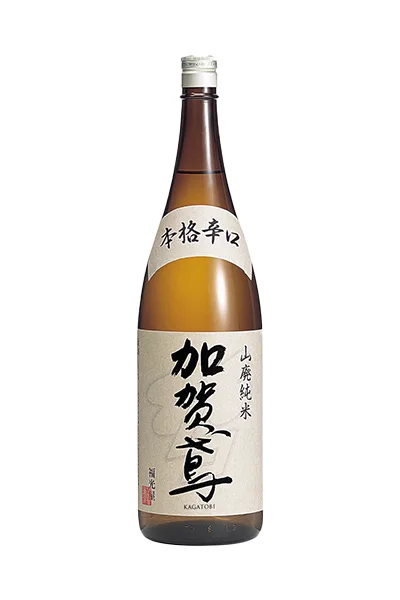
- Kagatobi Yamahai Junmai Honkaku Karakuchi加賀鳶 山廃純米 本格辛口
- Kagatobi Yamahai Junmai Ginjo Hiyaoroshi Genshu加賀鳶 山廃純米吟醸 冷やおろし・原酒
- Kagatobi Junmai Sho Kire no Dry加賀鳶 純米 翔 キレの辛口
- Kagatobi Junmai Ginjo Arabashiri加賀鳶 純米吟醸 あらばしり
- Kagatobi Junmai Daiginjo加賀鳶 純米大吟醸