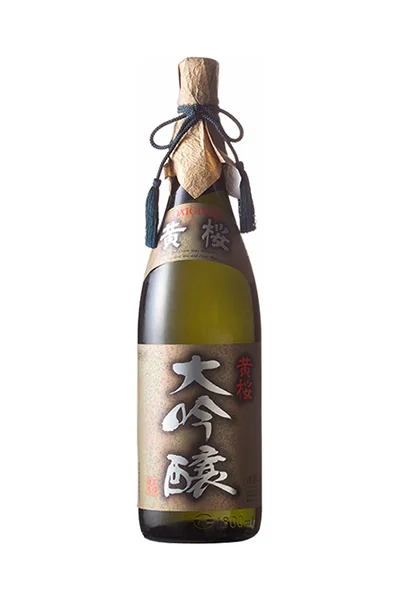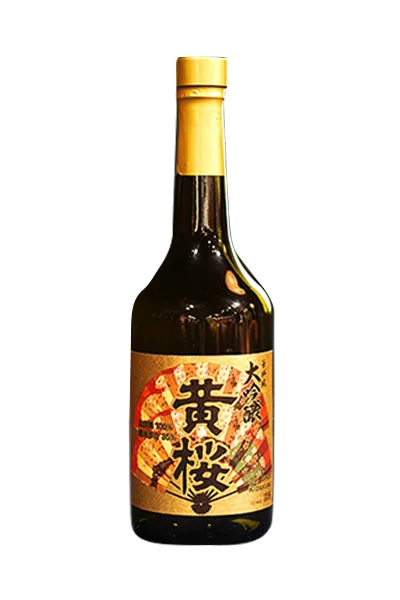
Kizakura Kashofu Daiginjo
黄桜 華祥風 大吟醸Daiginjo, rice polished to 35%
Kizakura — Kizakura Shuzo, Kyoto
For those who wish to slowly savor a premium sake.
Specifications
- Type
- Daiginjo
- Rice
- Not disclosed
- Rice polishing ratio
- 35%65% of each grain polished away
- Yeast
- Not disclosed
- Alcohol
- 16%
- Sake meter value
- +0medium
- Acidity
- 1.1
How to read these
- Type
- The grade printed on the label. It depends on the ingredients (rice only, or with a little distilled alcohol) and on how far the rice is polished. More
- Rice
- The rice variety. Most premium sake uses varieties grown for brewing, such as Yamada Nishiki. More
- Rice polishing ratio
- How much of each grain is left after polishing. A lower number means more was milled away, which usually gives a lighter, more aromatic sake. More
- Yeast
- The yeast strain, which shapes the aroma. More
- Alcohol
- Alcohol by volume. Most sake is 15–16%; undiluted (genshu) sake is often 17–18%. More
- Sake meter value
- A sweet-to-dry scale. Plus is drier, minus is sweeter. Acidity changes how it tastes, so treat it as a rough guide. More
- Acidity
- Total acid. Higher tends to taste fuller and drier; lower tastes lighter and sweeter. More
Flavor profile Aromatic & light
Aromatic & light — fruity, floral aroma with a light body. Known in Japan as kun-shu (薫酒).
As a 35% polished daiginjo with a described floral, graceful aroma and smooth, plump palate, it sits in the aromatic and light area. Low acidity (1.1) and a neutral SMV of 0 suggest a soft, gently sweet profile with moderate richness.
Estimated by AI from the published specifications and the brewery's description; your impression may differ.
About
Carefully selected Yamada Nishiki, a sake rice suited to brewing, is milled to a rice polishing ratio of 35% over a full three days and nights, then soaked and steamed under strictly managed timing. The toji (master brewer) works through two days and nights without sleep to make the koji (rice mold culture). Fermentation uses Kizakura's own ginjo yeast and proceeds at 10°C or below over more than thirty days. The result is a Daiginjo finished with care. Its aroma is soft and graceful, reminiscent of flowers. On the palate it is smooth, with a full, rich umami that fills the mouth.
Other sake from this brand 13
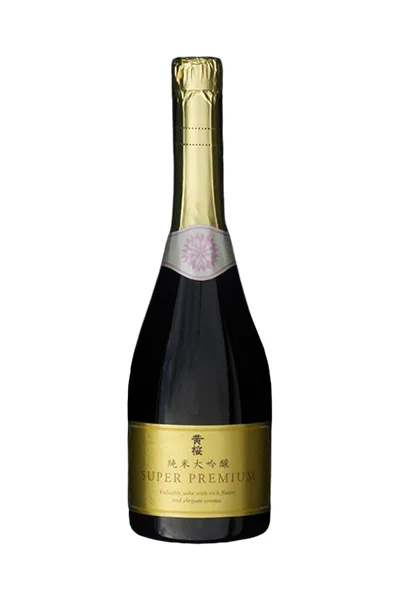
- Kizakura SUPER PREMIUM黄桜 SUPER PREMIUM
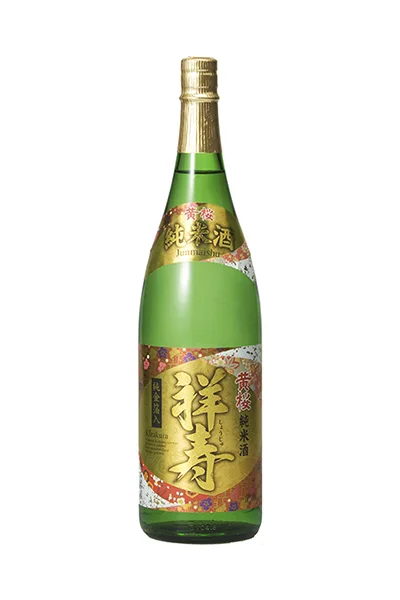
- Kizakura Shoju黄桜 祥寿
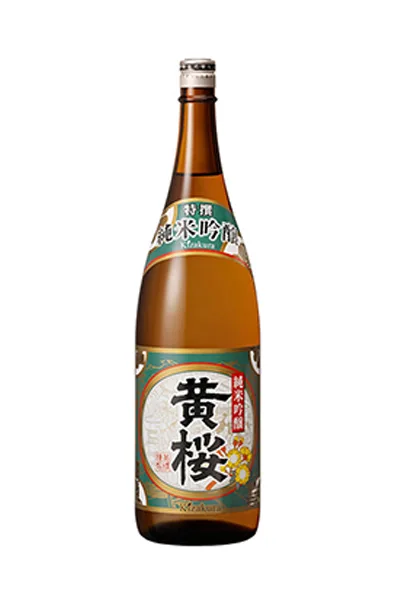
- Kizakura Tokusen Junmai Ginjo黄桜 特撰 純米吟醸
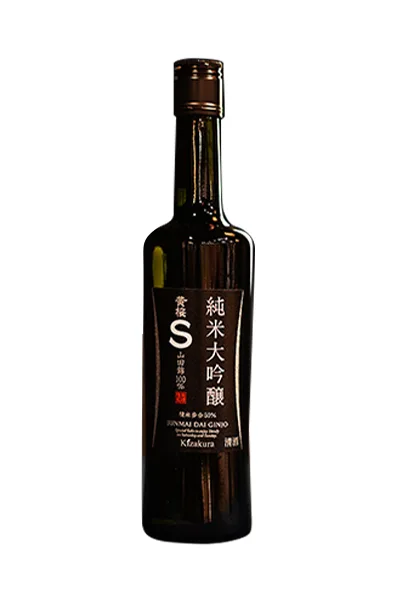
- Kizakura S Junmai Daiginjo黄桜 S 純米大吟醸
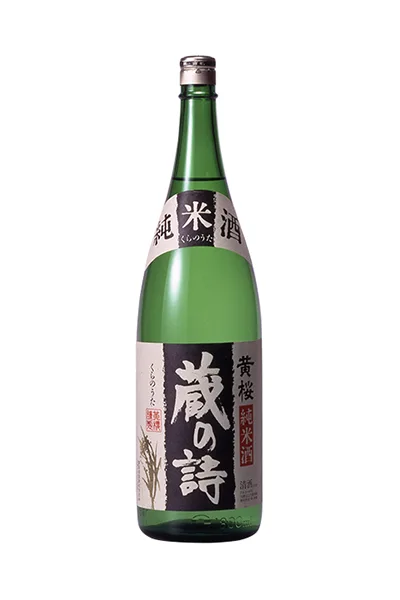
- Kizakura Kura no Uta黄桜 蔵の詩
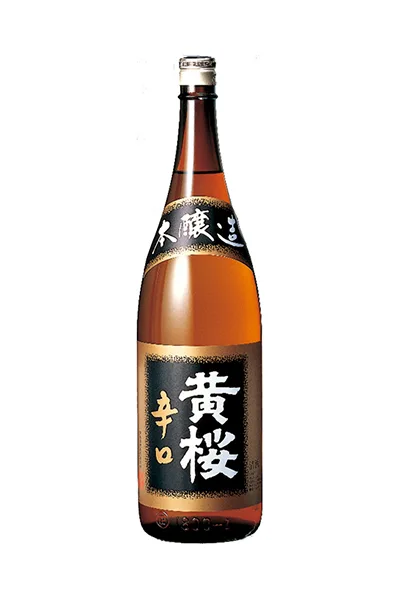
- Kizakura Dry Honjozo黄桜 辛口 本醸造
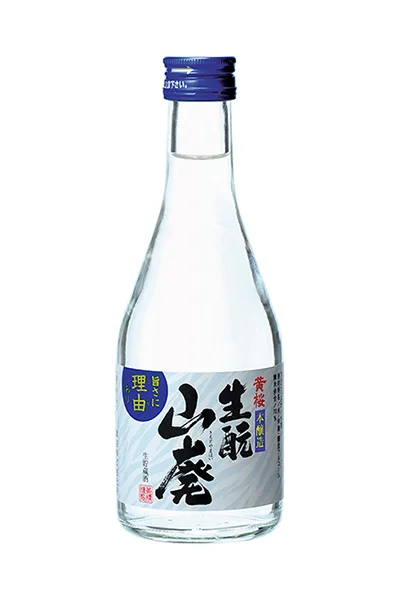
- Kizakura Kimoto Yamahai Namachozo黄桜 生酛 山廃 生貯蔵酒
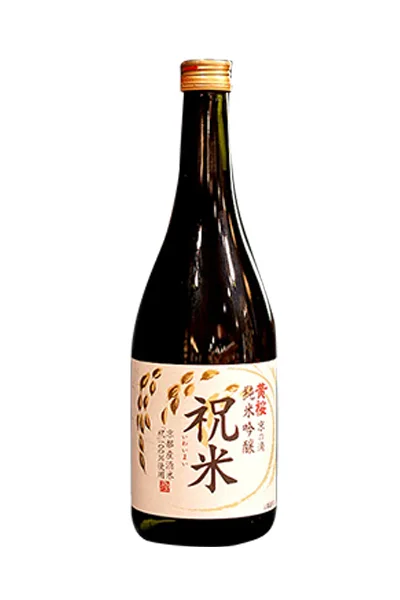
- Kizakura Kyo no Shizuku Junmai Ginjo Iwaimai黄桜 京の滴 純米吟醸 祝米
- Kizakura Honzukuri黄桜 本造り
- Kizakura Junmai Karakuchi Ikkon黄桜 純米 辛口一献
- Kizakura Dry Ikkon黄桜 辛口一献
- Kizakura Chotokusen Daiginjo黄桜 超特撰 大吟醸