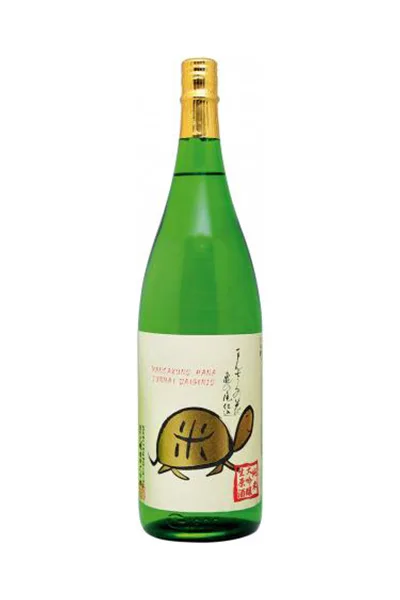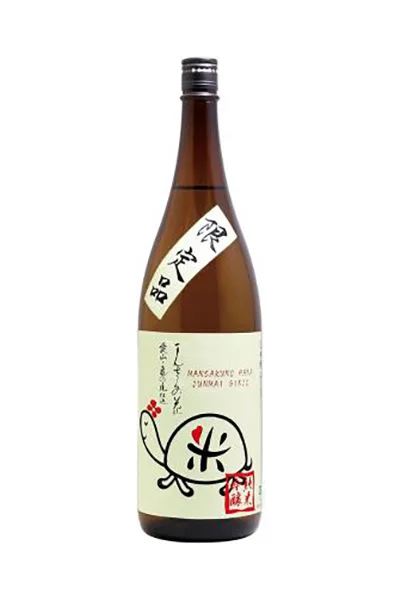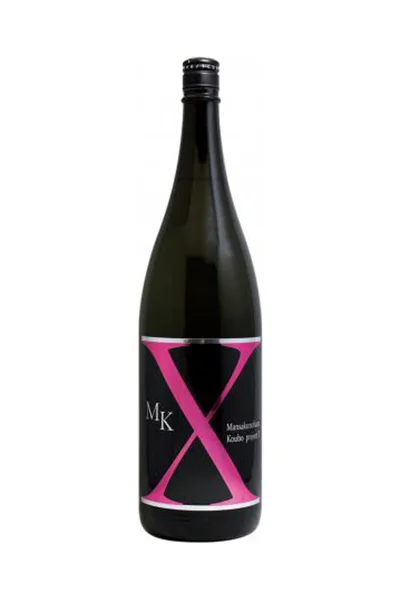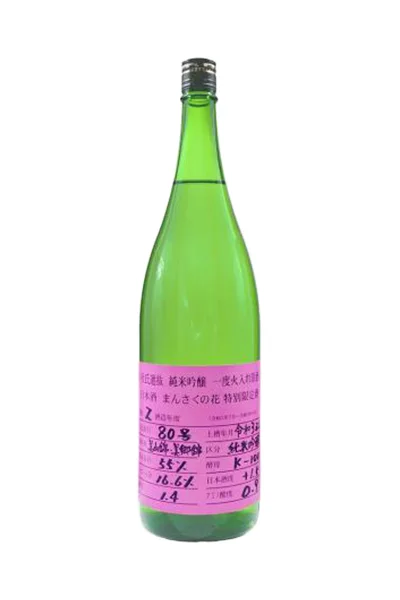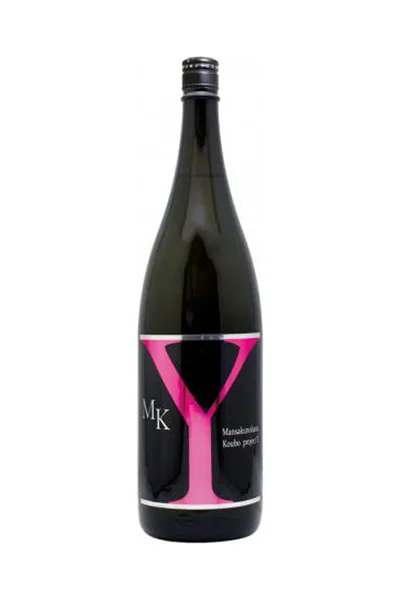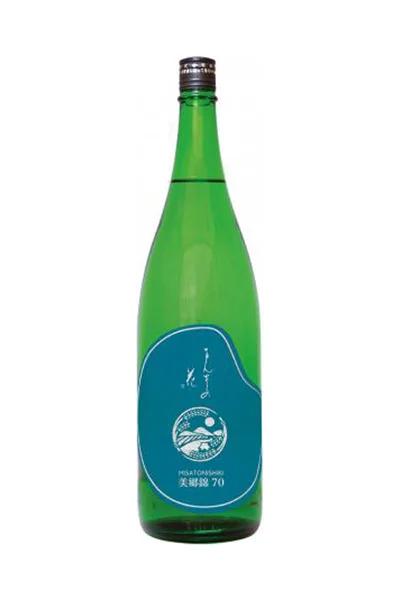
Megurimai Mansakunohana Misatonishiki 70
巡米 まんさくの花 美郷錦70Junmai ginjo, Misatonishiki rice polished to 70%, unpasteurized (nama), undiluted (genshu)
Mansaku no Hana — Hinomaru Jozo, Akita
A tasting series that lets you enjoy the differences between sake rice varieties.
Specifications
- Type
- Junmai Ginjo
- Rice
- Misatonishiki
- Rice polishing ratio
- 70%30% of each grain polished away
- Yeast
- Akita No. 12
- Alcohol
- 16.4%
- Sake meter value
- +0medium
- Acidity
- 2
How to read these
- Type
- The grade printed on the label. It depends on the ingredients (rice only, or with a little distilled alcohol) and on how far the rice is polished. More
- Rice
- The rice variety. Most premium sake uses varieties grown for brewing, such as Yamada Nishiki. More
- Rice polishing ratio
- How much of each grain is left after polishing. A lower number means more was milled away, which usually gives a lighter, more aromatic sake. More
- Yeast
- The yeast strain, which shapes the aroma. More
- Alcohol
- Alcohol by volume. Most sake is 15–16%; undiluted (genshu) sake is often 17–18%. More
- Sake meter value
- A sweet-to-dry scale. Plus is drier, minus is sweeter. Acidity changes how it tastes, so treat it as a rough guide. More
- Acidity
- Total acid. Higher tends to taste fuller and drier; lower tastes lighter and sweeter. More
Flavor profile Rich & umami
Rich & umami — rice-driven umami and a fuller body. Known in Japan as jun-shu (醇酒).
The 70% polish junmai ginjo, genshu at 16.4% and acidity of 2 point to a full, structured palate. The text's firm acidity and lingering umami suggest restrained aroma, and an SMV of 0 with crisp acidity places sweetness in the mid range.
Estimated by AI from the published specifications and the brewery's description; your impression may differ.
About
Misatonishiki was born in Akita Prefecture in 2002 (Heisei 14). Its parents are two sake rice superstars: Yamada Nishiki, the most widely produced sake rice, and Miyama Nishiki, the third most produced. Although it has boundless potential, its difficulty to cultivate has made it a rare rice. It has a firm acidity, yet it leaves a pleasant lingering umami before fading away, resulting in a very beautiful flavor.
Other sake from this brand 17
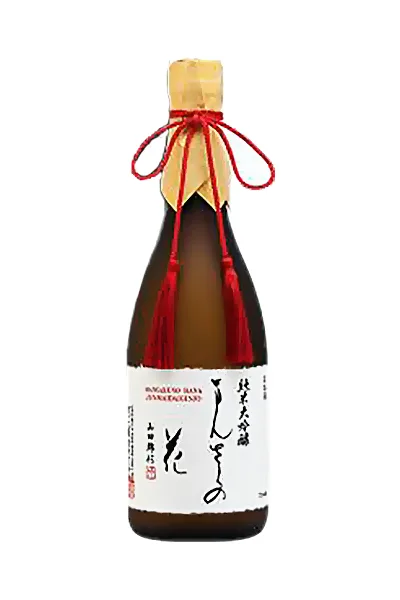
- Mansaku no Hana Junmai Daiginjo Yamada Nishiki 45まんさくの花 純米大吟醸 山田錦 45
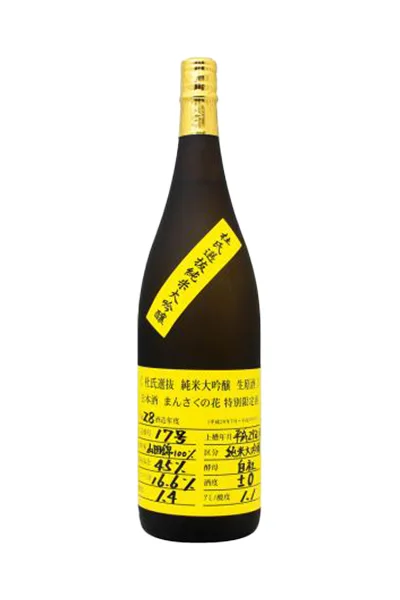
- Mansaku no Hana Tojisenbatsu Yellow Labelまんさくの花 杜氏選抜 イエローラベル
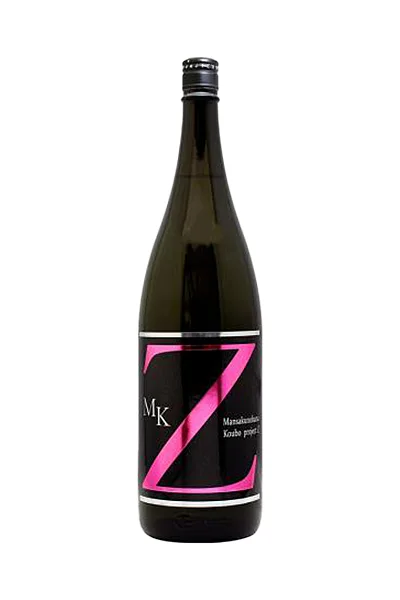
- Mansaku no Hana MK-Zまんさくの花 MK-Z
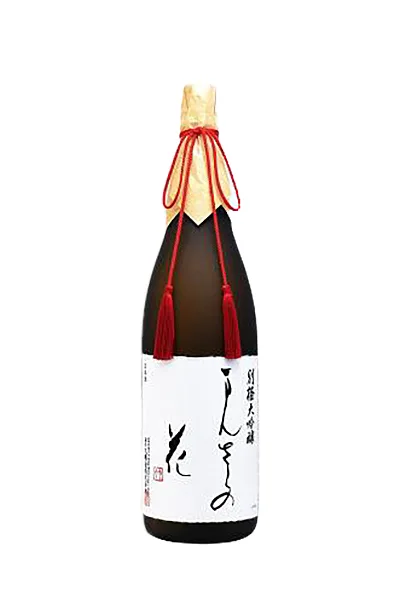
- Mansaku no Hana Bekkaku Daiginjoまんさくの花 別格大吟醸
- Mansaku no Hana Kame Label GOLDまんさくの花 亀ラベル GOLD
- Mansaku no Hana Ginmaruまんさくの花 吟丸
- Mansaku no Hana Tokubetsu Junmaiまんさくの花 特別純米酒
- Mansaku no Hana Junmai sakeまんさくの花 純米酒
- Mansaku no Hana Aiki Labelまんさくの花 愛亀ラベル
- Mansaku no Hana MK-Xまんさくの花 MK-X
- Mansaku no Hana Tojisentaku Pink Labelまんさくの花 杜氏選抜 ピンクラベル
- Mansaku no Hana MK-Yまんさくの花 MK-Y