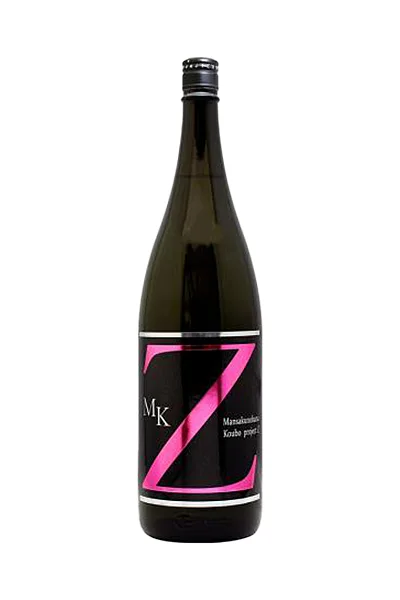
Mansaku no Hana MK-Z
まんさくの花 MK-ZJunmai ginjo, rice polished to 50%, undiluted (genshu)
Mansaku no Hana — Hinomaru Jozo, Akita
Citric acid raised through careful yeast selection and white koji, for a sake with a distinctive tang.
Specifications
- Type
- Junmai Ginjo
- Rice
- Not disclosed
- Rice polishing ratio
- 50%50% of each grain polished away
- Yeast
- Not disclosed
- Alcohol
- 15%
- Sake meter value
- -2slightly sweet
- Acidity
- 1.9
How to read these
- Type
- The grade printed on the label. It depends on the ingredients (rice only, or with a little distilled alcohol) and on how far the rice is polished. More
- Rice
- The rice variety. Most premium sake uses varieties grown for brewing, such as Yamada Nishiki. More
- Rice polishing ratio
- How much of each grain is left after polishing. A lower number means more was milled away, which usually gives a lighter, more aromatic sake. More
- Yeast
- The yeast strain, which shapes the aroma. More
- Alcohol
- Alcohol by volume. Most sake is 15–16%; undiluted (genshu) sake is often 17–18%. More
- Sake meter value
- A sweet-to-dry scale. Plus is drier, minus is sweeter. Acidity changes how it tastes, so treat it as a rough guide. More
- Acidity
- Total acid. Higher tends to taste fuller and drier; lower tastes lighter and sweeter. More
Flavor profile Full & complex
Full & complex — aromatic and full-bodied, including aged sake. Known in Japan as juku-shu (熟酒).
Acidity of 1.9, SMV of -2 and a genshu body point to a full, citric-tinged profile with moderate sweetness balanced by acidity. The ginjo polishing suggests a restrained aromatic lift, placing it in the juku quadrant.
Estimated by AI from the published specifications and the brewery's description; your impression may differ.
About
Simply adding more white koji would make the sake far too sour, so we kept the flavor of sake as the foundation and aimed to express an interesting acidity. It has a distinctive acidity somewhat reminiscent of umeboshi (salted pickled plum), and it pairs well with robust meat dishes.
Other sake from this brand 17
- Mansaku no Hana Junmai Daiginjo Yamada Nishiki 45まんさくの花 純米大吟醸 山田錦 45
- Mansaku no Hana Tojisenbatsu Yellow Labelまんさくの花 杜氏選抜 イエローラベル
- Mansaku no Hana Bekkaku Daiginjoまんさくの花 別格大吟醸
- Mansaku no Hana Kame Label GOLDまんさくの花 亀ラベル GOLD
- Mansaku no Hana Ginmaruまんさくの花 吟丸
- Mansaku no Hana Tokubetsu Junmaiまんさくの花 特別純米酒
- Mansaku no Hana Junmai sakeまんさくの花 純米酒
- Mansaku no Hana Aiki Labelまんさくの花 愛亀ラベル
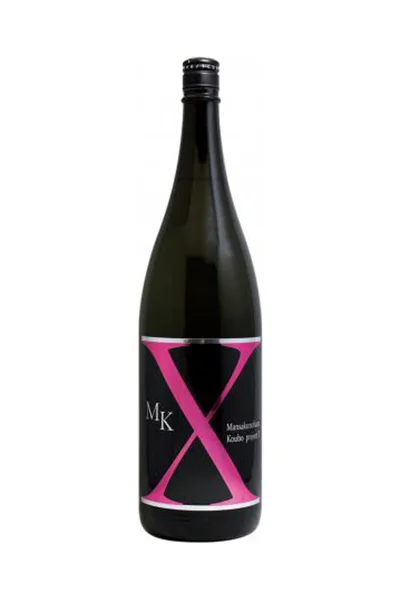
- Mansaku no Hana MK-Xまんさくの花 MK-X
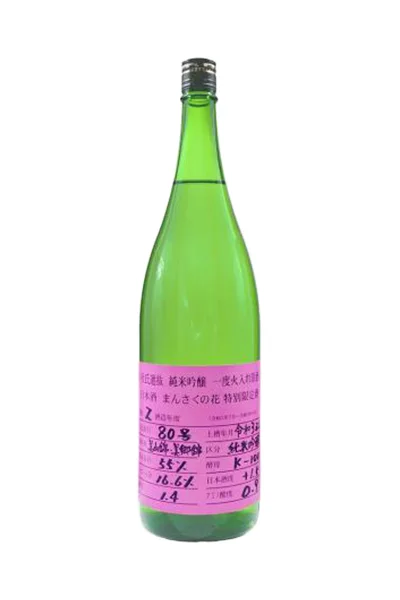
- Mansaku no Hana Tojisentaku Pink Labelまんさくの花 杜氏選抜 ピンクラベル
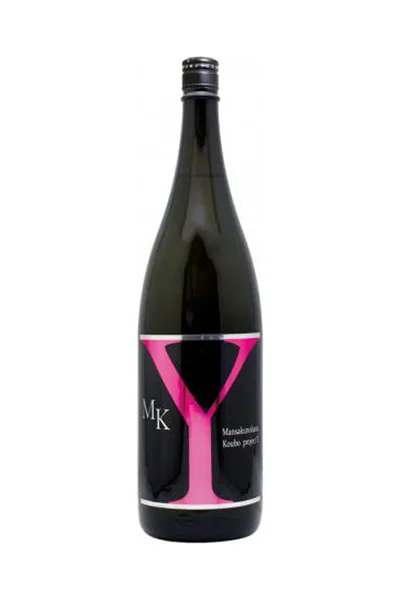
- Mansaku no Hana MK-Yまんさくの花 MK-Y
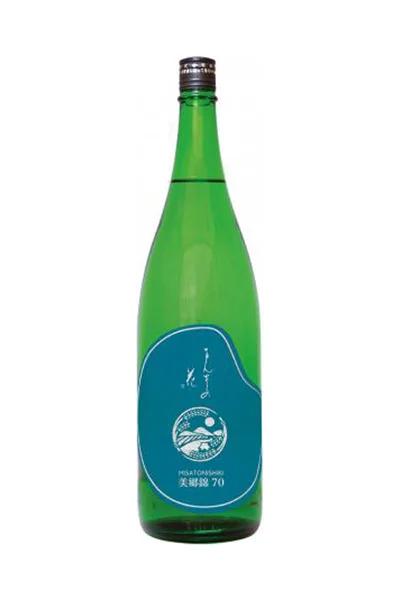
- Megurimai Mansakunohana Misatonishiki 70巡米 まんさくの花 美郷錦70