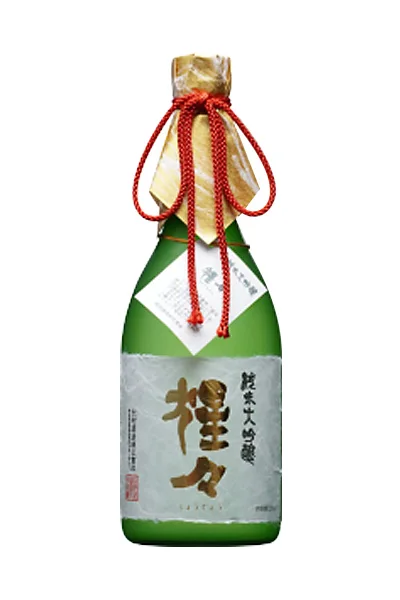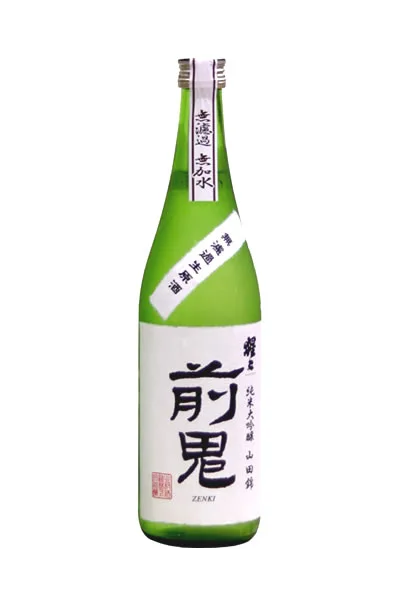
Shojo Junmai Daiginjo Muroka Nama Genshu Zenki
猩々 純米大吟醸 無濾過生原酒 前鬼Junmai daiginjo, Yamada Nishiki rice polished to 50%, unfiltered, unpasteurized and undiluted (muroka nama genshu)
Shojo — Kitamura Shuzo, Nara
A full-flavored junmai daiginjo, unfiltered and bottled straight from the tank.
Specifications
- Type
- Junmai Daiginjo
- Rice
- Yamada Nishiki
- Rice polishing ratio
- 50%50% of each grain polished away
- Yeast
- Kyokai No. 9
- Alcohol
- 17%
- Sake meter value
- +6very dry
- Acidity
- 1.4
How to read these
- Type
- The grade printed on the label. It depends on the ingredients (rice only, or with a little distilled alcohol) and on how far the rice is polished. More
- Rice
- The rice variety. Most premium sake uses varieties grown for brewing, such as Yamada Nishiki. More
- Rice polishing ratio
- How much of each grain is left after polishing. A lower number means more was milled away, which usually gives a lighter, more aromatic sake. More
- Yeast
- The yeast strain, which shapes the aroma. More
- Alcohol
- Alcohol by volume. Most sake is 15–16%; undiluted (genshu) sake is often 17–18%. More
- Sake meter value
- A sweet-to-dry scale. Plus is drier, minus is sweeter. Acidity changes how it tastes, so treat it as a rough guide. More
- Acidity
- Total acid. Higher tends to taste fuller and drier; lower tastes lighter and sweeter. More
Flavor profile Full & complex
Full & complex — aromatic and full-bodied, including aged sake. Known in Japan as juku-shu (熟酒).
The junmai daiginjo specs (50% polishing, 17% genshu, muroka nama) and the description of a full, gently sweet, mellow profile agree. SMV +6 keeps sweetness modest, so aroma is moderately high and body is full with a rich feel.}
Estimated by AI from the published specifications and the brewery's description; your impression may differ.
About
Kitamura Shuzo Co., Ltd., the brewery behind the sake Shojo, was founded in 1788 (Tenmei 8). The name Shojo comes from the Noh play Shojo, and the brewery's motto is drawn from its lines: "Yomo tsukiji, yorozuyo made no (take no ha no) sake, kumedomo tsukizu, nomedomo kawaranu" (roughly, "The sake of bamboo leaves that lasts for ten thousand generations, never runs out however much is poured, and never changes however much is drunk"). Without bowing to the trends of the times, the brewery has continued to hold fast to the fundamentals of sake brewing and to build on them over the generations. Shojo Zenki is made with 100% Yamada Nishiki grown in Hyogo. It is a junmai daiginjo genshu that is bottled without filtration. Gently sweet on the palate, it is fresh and mellow. Best served chilled.
Other sake from this brand 26
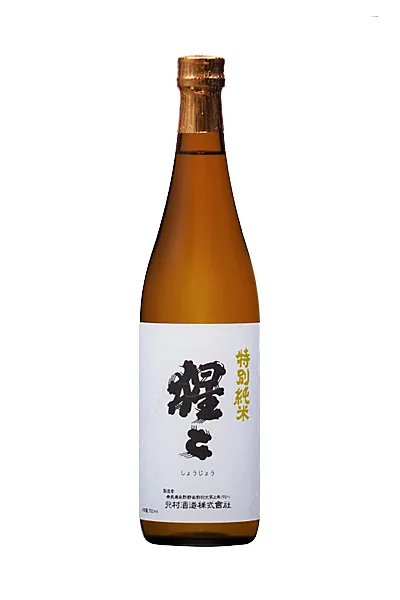
- Tokubetsu Junmai Shojo特別純米酒 猩々
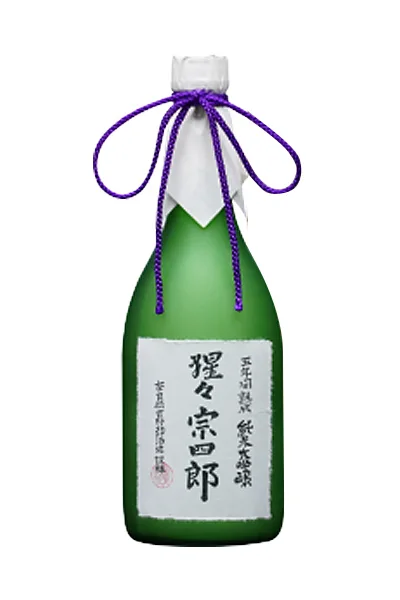
- Gonen Koshu Junmai Daiginjo Soshiro五年古酒 純米大吟醸 宗四郎
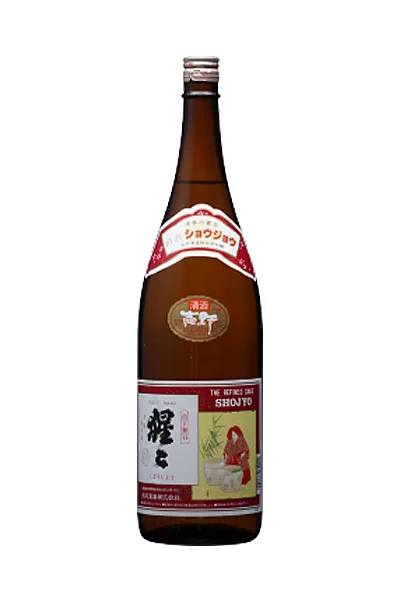
- Shojo Yoshino猩々 吉野
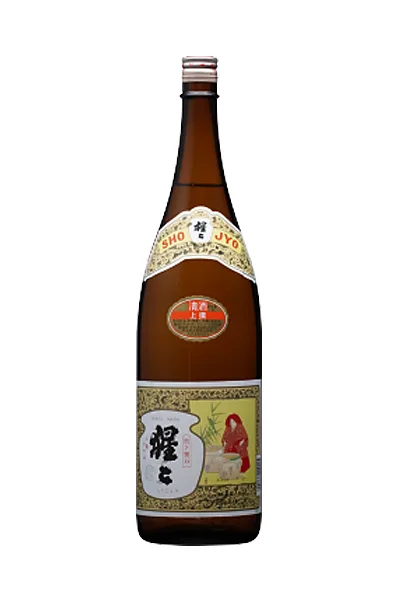
- Shojo Josen猩々 上撰
- Shojo Junmai Daiginjo猩々 純米大吟醸
- Shojo Junmai Ginjo純米吟醸 猩々
- Shojo Tokubetsu Honjozo特別本醸造 猩々
- Shojo Junmai Ginjo Nama Sumizake猩々 純米吟醸 生酒 澄酒
- Shojo Nigori猩々 にごり酒
- Shojo Kimoto Tokubetsu Junmai Yamada Nishiki猩々 生もと 特別純米 山田錦
- Shojo Shiboritate Nama Genshu猩々 しぼりたて 生原酒
- Shojo Ginjo Sugi猩々 吟醸 杉