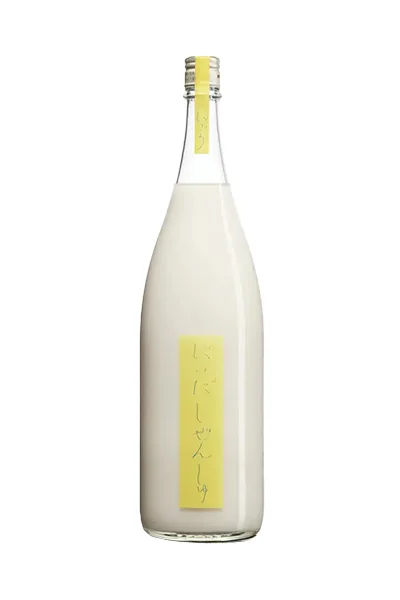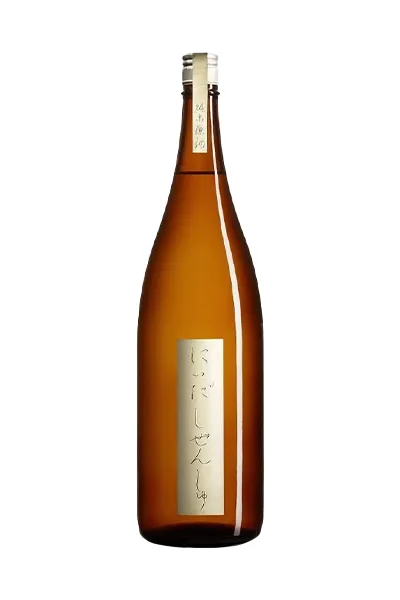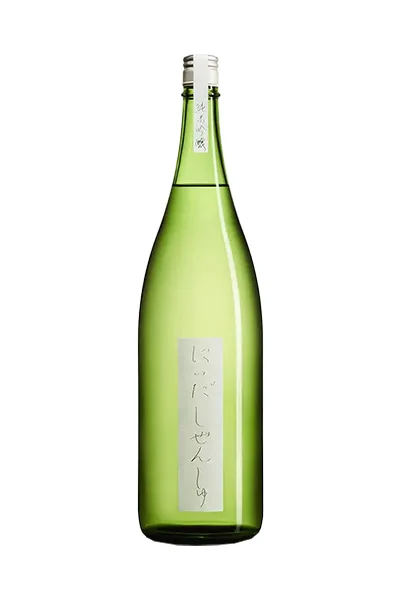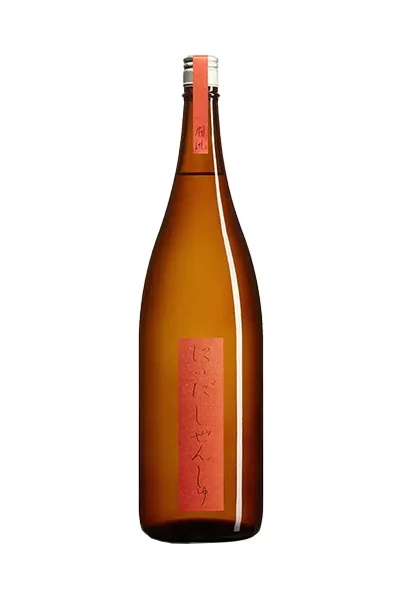
Niida Shizenshu Hyakunen Kijoshu
自然酒(福島県) 百年貴醸酒Junmai, rice polished to 85%, kijoshu (brewed with sake in place of some water)
Niida Shizenshu — Niida Honke, Fukushima
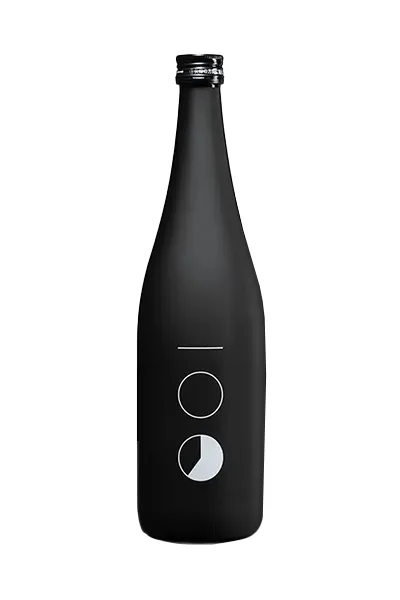
A century-long relay, with a label design worth savoring too.
Specifications
- Type
- Junmai Shu
- Rice
- Not disclosed
- Rice polishing ratio
- 85%15% of each grain polished away
- Yeast
- Not disclosed
- Alcohol
- 16%
How to read these
- Type
- The grade printed on the label. It depends on the ingredients (rice only, or with a little distilled alcohol) and on how far the rice is polished. More
- Rice
- The rice variety. Most premium sake uses varieties grown for brewing, such as Yamada Nishiki. More
- Rice polishing ratio
- How much of each grain is left after polishing. A lower number means more was milled away, which usually gives a lighter, more aromatic sake. More
- Yeast
- The yeast strain, which shapes the aroma. More
- Alcohol
- Alcohol by volume. Most sake is 15–16%; undiluted (genshu) sake is often 17–18%. More
Flavor profile Full & complex
Full & complex — aromatic and full-bodied, including aged sake. Known in Japan as juku-shu (熟酒).
The description of a rich, sweet, velvety kijoshu, together with kimoto brewing and an 85% polish, points to strong sweetness and a dense, full body. The lack of ginjo-style aromatics keeps the aroma moderate, placing it in the juku quadrant.
Estimated by AI from the published specifications and the brewery's description; your impression may differ.
About
Sales began September 5, 2023. Hyakunen Kijoshu (brewed in 2022) Kimoto (traditional yeast-starter method) brewing, Mutenka (no added yeast), kuratsuki yeast (brewery-resident yeast) Sake is made with rice and water. Hyakunen Kijoshu is made with kijoshu from the previous year in place of water, making it a luxurious sake. Kijoshu (sake brewed with sake in place of water) is a rich and sweet style. The sake was first brewed in 2011 to mark the 300th anniversary of the brewery's founding. Passed down from the 18th-generation brewery owner to the owner a century from now, this kijoshu celebrates the next hundred years. Velvety smooth and rich, it is a full-bodied sweet sake. Recommended before or after meals as an aperitif or digestif. The label design also allows you to enjoy the idea of a century-long relay.
Other sake from this brand 12
- Niida Shizenshu Nigoriにいだしぜんしゅ にごり酒
- Niida Shizenshu Junmai Genshuにいだしぜんしゅ 純米原酒
- Niida Shizenshu Junmai Ginjoにいだしぜんしゅ 純米吟醸
- Niida Shizenshu Kan-atsuraeにいだしぜんしゅ 燗誂
- Niida Shizenshu自然酒(福島県) にいだしぜんしゅ
- Niida Shizenshu (Fukushima) Tokusen自然酒(福島県) 特撰
- Niida Shizenshu (Fukushima) Bangai Bokutsu Komami自然酒(福島県) 番外 朴訥米味
- Shizenshu (Fukushima) Fune-guchi Jikagumi Nama Genshu自然酒(福島県) 槽口直汲み 生原酒
- Shizenshu (Fukushima) Junmai Genshu Kuratsuki Kobo Shikomi Nama自然酒(福島県) 純米原酒 蔵付き酵母仕込 生
- Niida Shizenshu (Fukushima) Nama Shibori自然酒(福島県) 生しぼり
- Niida Shizenshu (Fukushima) Bangai Kame no O自然酒(福島県) 番外 亀の尾
- Shizenshu (Fukushima) Bangai Kanjuku Makuwauri-teki自然酒(福島県) 番外 完熟甜瓜的